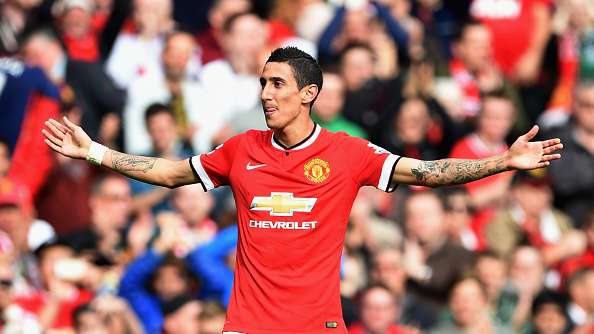
Angel Di Maria has opened up about his troubled spell at Manchester United, describing how a combination of managerial conflict and personal upheaval transformed his dream move into a nightmare. Arriving as a British-record £59.7 million signing in 2014, the Argentine winger inherited the iconic No.7 jersey with genuine optimism. Yet within twelve months, he was desperate to escape Old Trafford, a stark illustration of how quickly circumstances can derail even the most promising transfers.
The deterioration of Di Maria's relationship with then-manager Louis van Gaal formed the crux of his Manchester struggle. Initially, the transition seemed smooth. "Everything was flowing," Di Maria explained in an interview with BBC Sport. However, the dynamic shifted when van Gaal's critical approach began wearing him down. The Dutchman's preference for highlighting mistakes over acknowledging strengths left the World Cup winner increasingly frustrated. "He never showed me what I was doing well, just the negatives, over and over. Eventually I got fed up," the attacking midfielder recalled. This coaching philosophy clashed fundamentally with Di Maria's confidence-dependent playing style, undermining his ability to perform at his previous level.
Beyond the Pitch: Personal Crisis in the North West
Professional disappointment was compounded by deeply troubling personal circumstances. Di Maria's family suffered a terrifying attempted burglary at their Cheshire home while his wife and children were present, an incident that shattered any sense of security or comfort in England. The cumulative effect of Manchester's harsh climate, cultural adjustment difficulties, and this security breach proved overwhelming. "Life there was very different. It gets dark really early and then the cold started. Everything kept snowballing," he reflected. These external pressures amplified his tactical frustrations, creating an untenable situation that made staying untenable.
Interestingly, Di Maria faced similar security issues during his subsequent spell with Paris Saint-Germain, yet remained there for two additional years. The difference lay in France's superior quality of life. "I got robbed in Paris too and still stayed for another two or three years, because life there was good," he noted. His wife, Jorgelina Cardoso, had been vocally opposed to the Manchester move from inception, describing the experience as alienating and detaching from the lifestyle they'd enjoyed at Real Madrid.
By March 2015, van Gaal had begun sidelining Di Maria from the starting XI following a red card against Arsenal and recurring minor injuries. Rather than fight for redemption, Di Maria orchestrated his departure by refusing to attend pre-season preparations. "I had already said I wanted to leave and that I wasn't going to report back to the club," he stated bluntly. His exit to PSG that summer concluded one of the Premier League's most disappointing chapters for a player of his calibre, proving that elite talent cannot always transcend circumstantial misery.