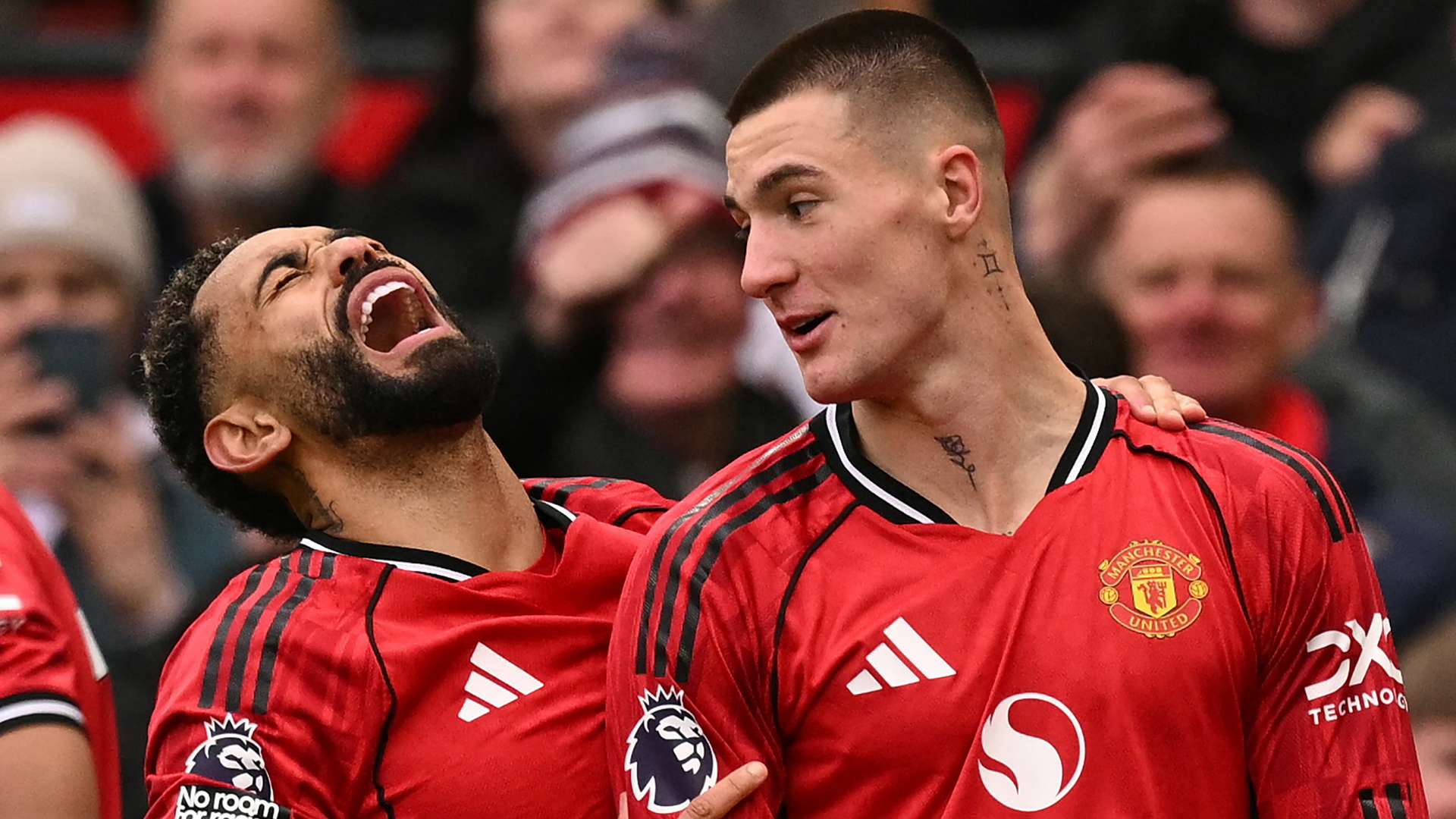
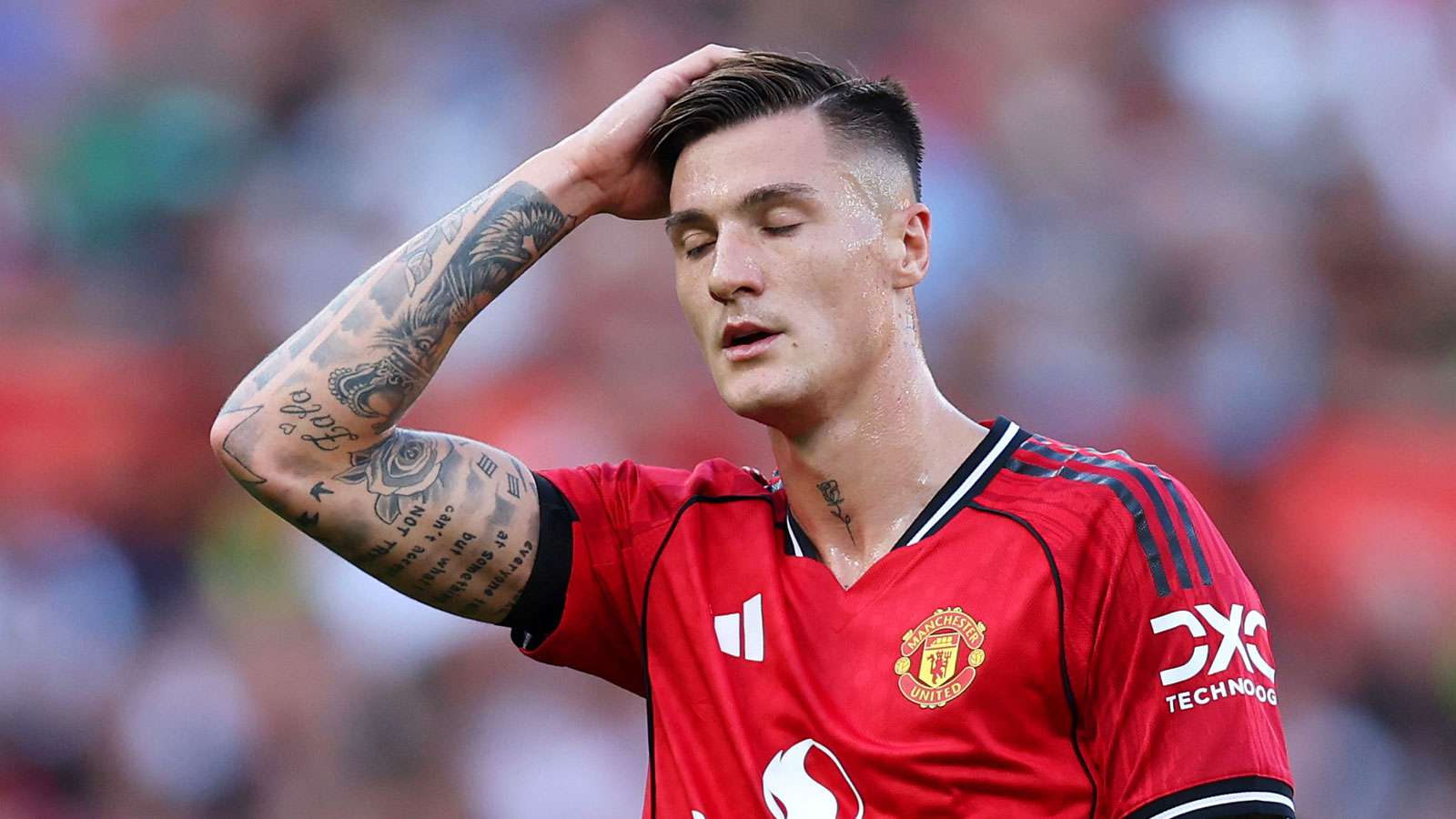
Benjamin Sesko has become the flashpoint in an escalating dispute between Manchester United and the Slovenia national team. Manager Bostjan Cesar has publicly questioned why the 22-year-old striker repeatedly misses international duty while recovering swiftly for Premier League action, fueling tensions between club and country.
The latest friction emerged after Sesko suffered a shin injury during United's clash with Liverpool. Despite being ruled unavailable for Slovenia's June friendlies against Cyprus and Croatia following medical assessment, he has featured in 32 of United's matches this season and remains fit for club fixtures. Cesar's frustration centres on the pattern: Sesko withdraws from international camps citing injury concerns, then reappears for domestic competition within days.
A Growing Diplomatic Crisis
At a press conference, Cesar articulated his bewilderment over the timings. "He missed the last assembly in March and then I kind of wanted him to be absent from United for a while, but then he came back quickly and I don't think he missed a game for the club," he explained. The Slovenian manager questioned the logic of selecting a player lacking competitive rhythm, hinting at systemic issues in how club-versus-country priorities are negotiated.
This disagreement did not originate with Cesar. His predecessor, Matjaz Kek, also criticised United's communication after Sesko suffered a knee injury against Tottenham in November 2024. That episode occurred during a turbulent period when Slovenia's results deteriorated, ultimately costing them a place in the 2026 World Cup—a failure Kek partly attributed to squad disruptions caused by player absences.
The Broader Pattern
Sesko has missed Slovenia fixtures against Hungary, Montenegro, Kosovo, Sweden, Cyprus and Croatia, creating a cumulative disadvantage for a smaller federation managing one of its most valuable assets. The striker's repeated withdrawals, spanning over eight months since his last appearance for his country in October, represent a significant loss to Slovenian football's competitive depth. United, meanwhile, benefit from extended recovery windows and reduced injury risk during international breaks—a luxury larger nations with deeper squads can more easily absorb.
Cesar acknowledged the imbalance: "Normally the national team is crucial for us, a little less so for them (United), but it's better for Benjamin not to train for these 14 days." The comment reflects a harsh reality in modern football: elite clubs hold structural power over national associations when managing player welfare. With further injuries or withdrawals potentially deepening the rift, the dispute signals ongoing friction between Old Trafford's medical protocols and Slovenia's legitimate need for their star striker's participation in competitive campaigns.