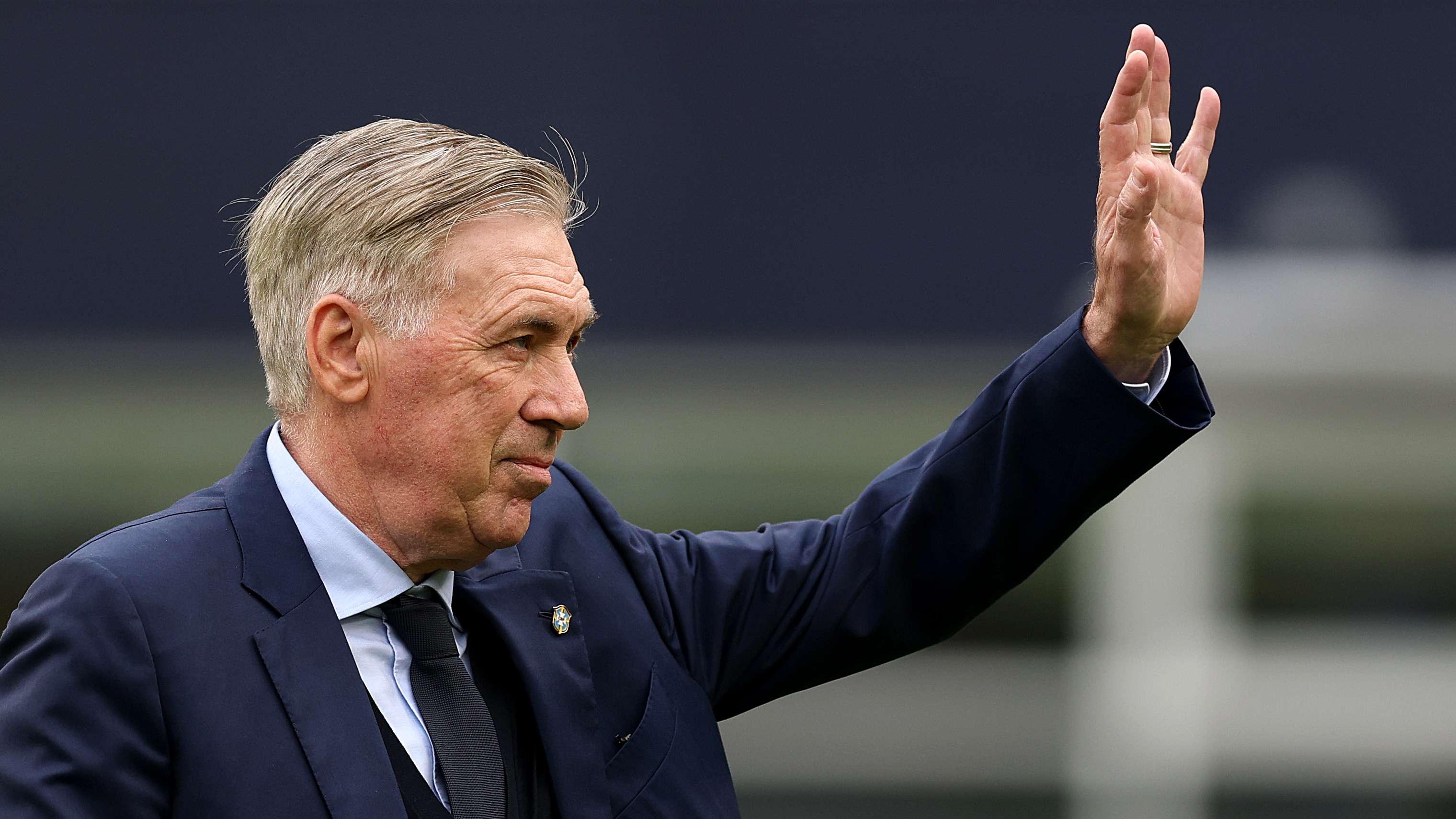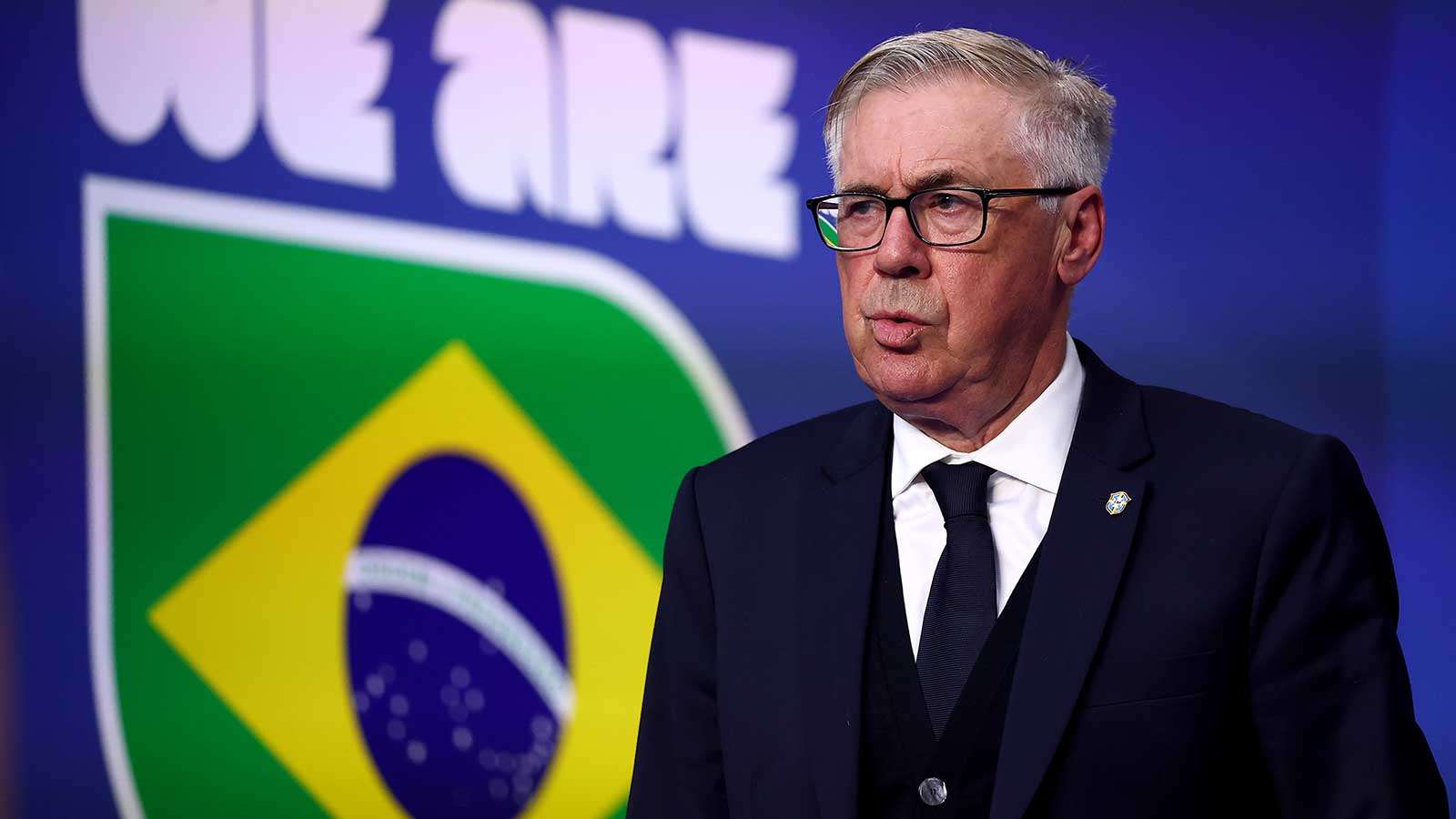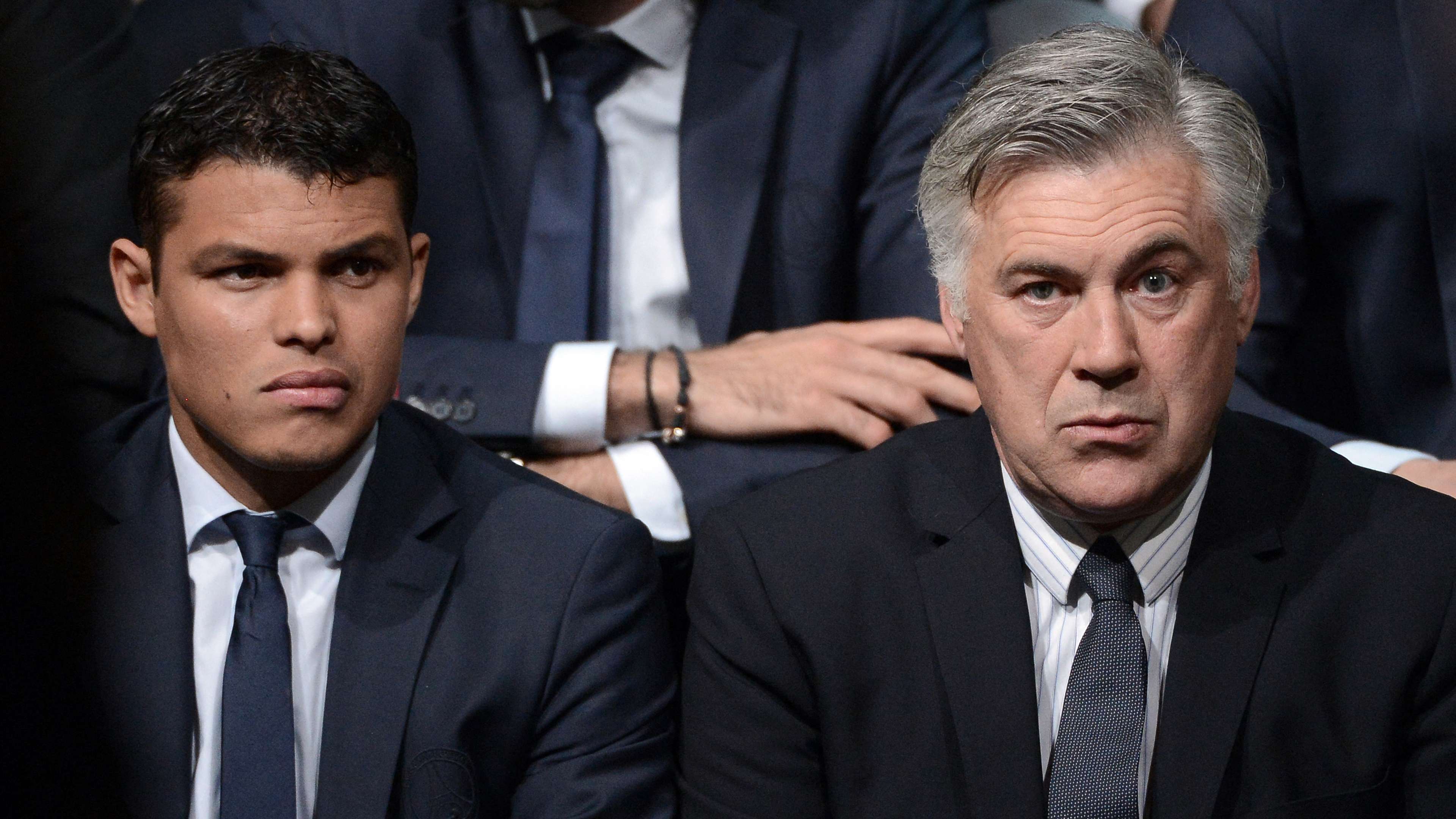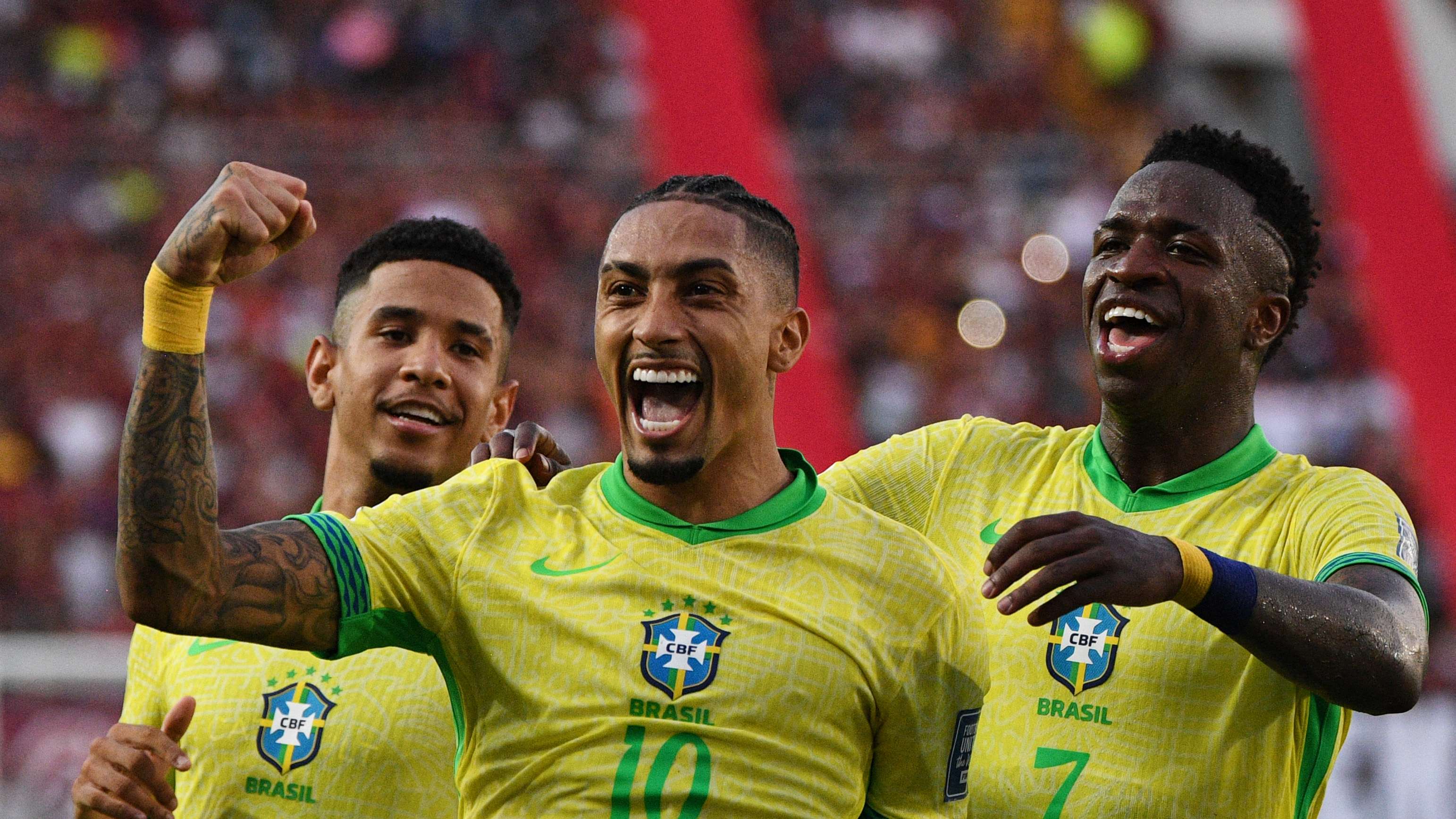
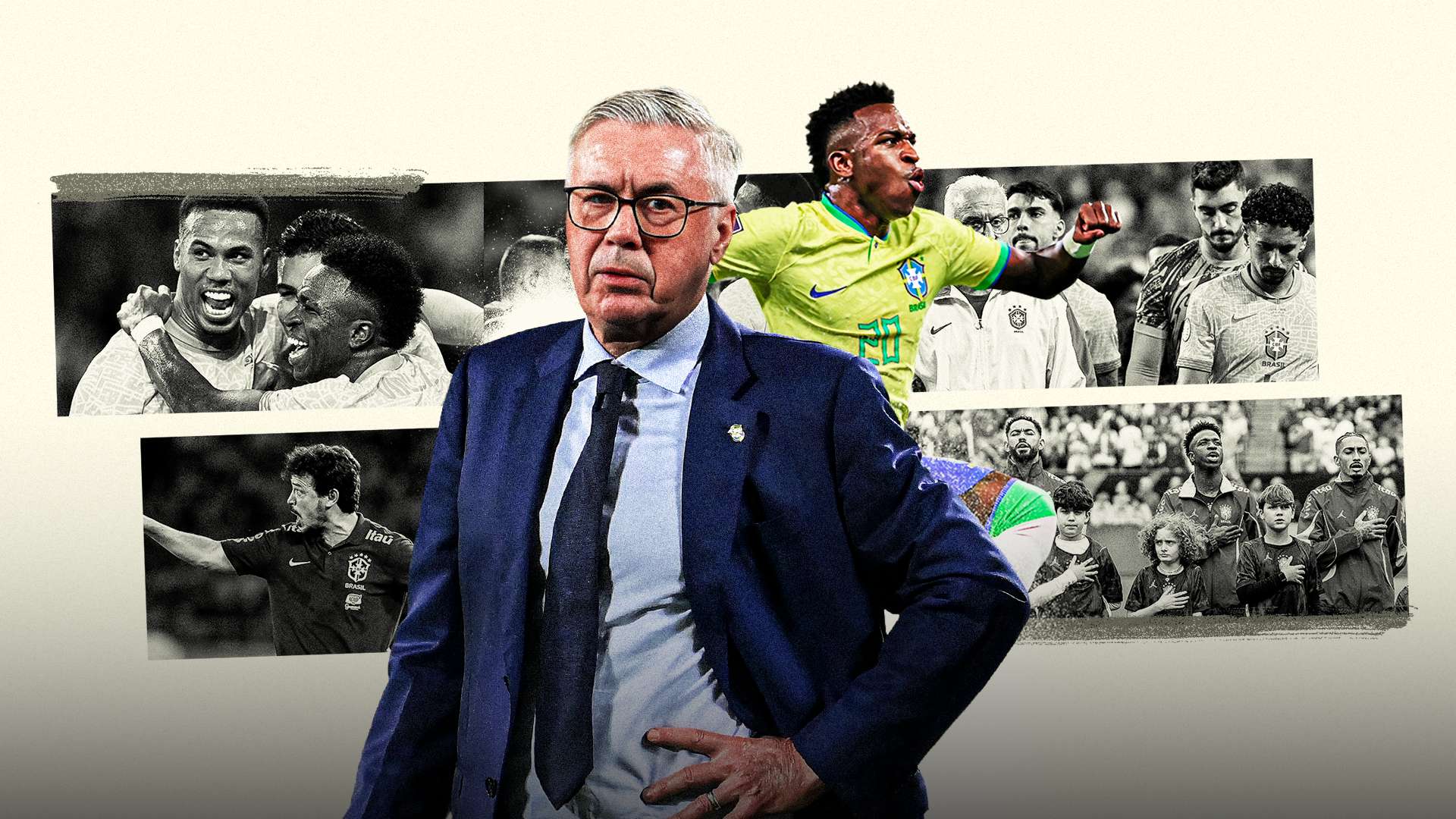
Carlo Ancelotti has taken the helm of Brazil's national team, marking a watershed moment in the five-time World Cup champions' struggle to reclaim their throne. The appointment of the most decorated club coach in history signals both desperation and optimism as the Seleção pursues their first global title since 2002—a two-decade drought that has tested the patience of a nation synonymous with attacking football and silverware.
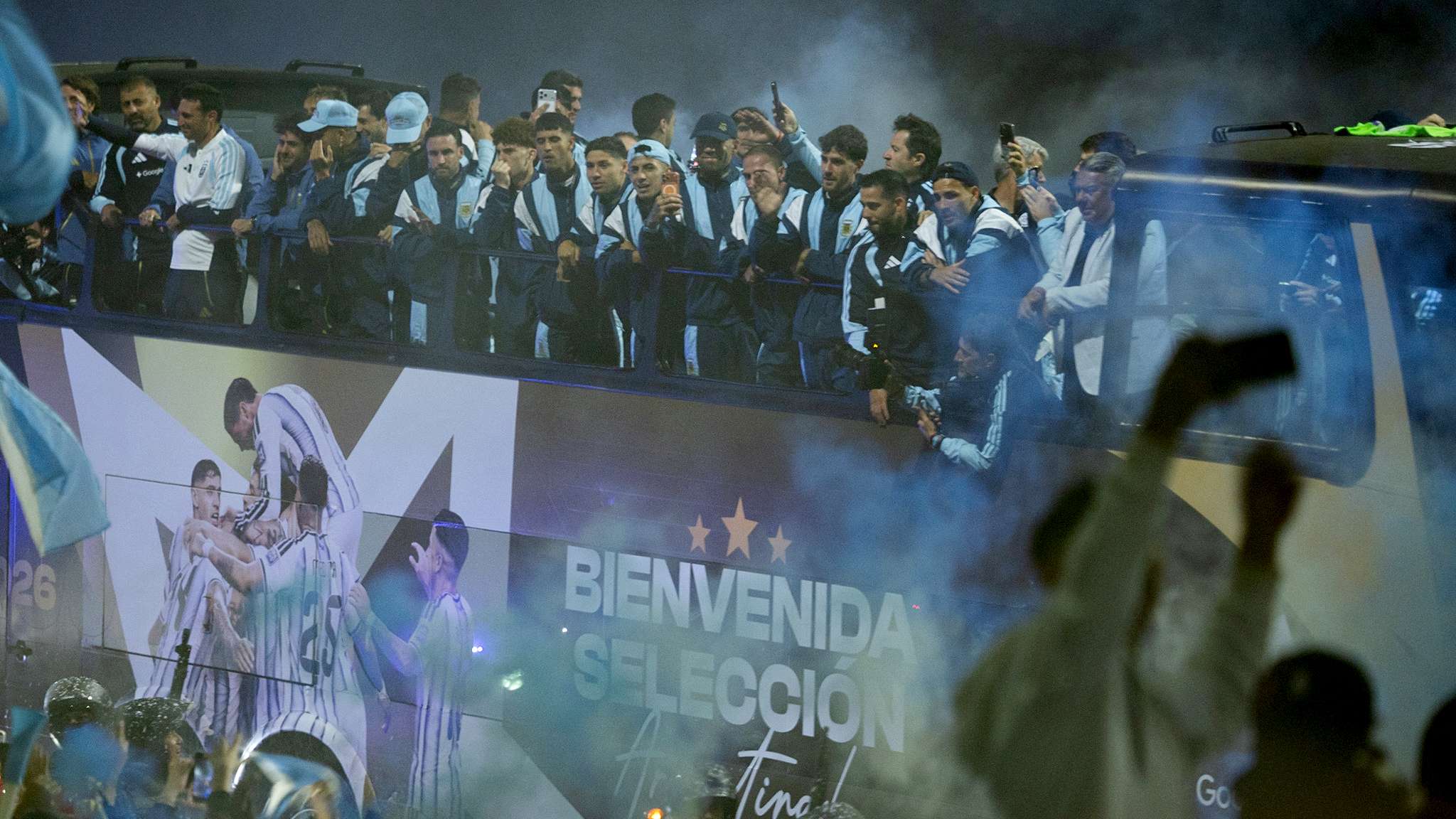
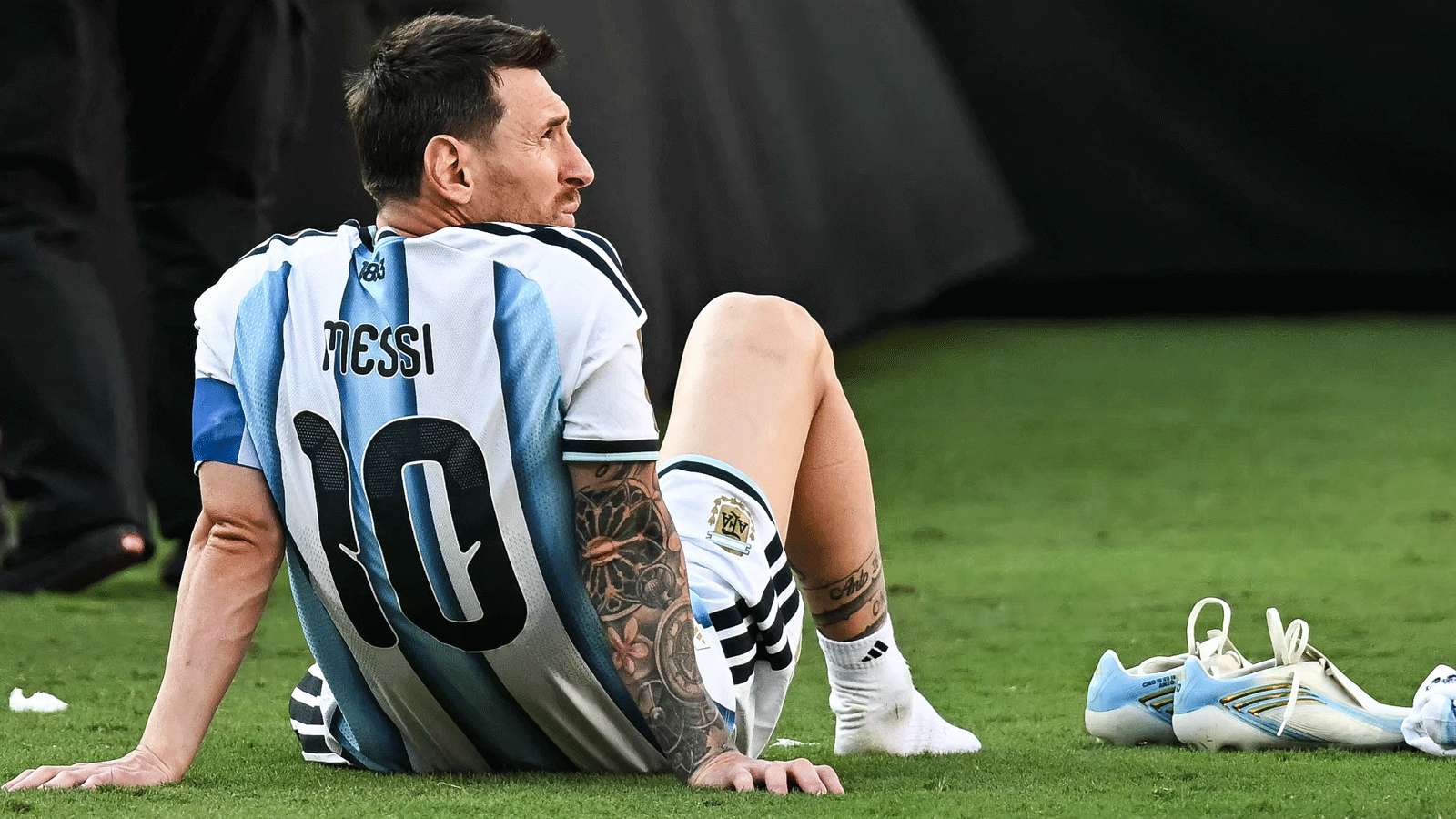
The Italian tactician's arrival follows the swift dismissal of Dorival Junior after a humbling 4-1 defeat to Argentina in Buenos Aires. That loss, combined with Brazil's quarterfinal exit at Copa America 2024 on penalties, crystallised the need for radical change. Dorival's departure came within 72 hours of the loss, yet the decision reflected months of mounting frustration among fans and media over Brazil's inconsistent performances and lack of clear strategic direction.
From Tradition to Foreign Expertise
Ancelotti's selection represents an unprecedented shift in Brazilian football philosophy. He becomes the first foreign full-time manager of the national team, a symbolic acknowledgment that homegrown talent no longer guarantees success at the highest level. The 65-year-old arrives fresh from his tenure at Real Madrid, where he forged relationships with key Brazilian stars including Vinicius Jr and previously worked with Kaka during his Chelsea days—personal bonds that reportedly influenced the CBF's decision.
This move underscores a troubling reality: Brazilian coaches have become increasingly marginalised at elite levels. While Portuguese managers like Jorge Jesus revolutionised Flamengo and Argentine tacticians have dominated Copa Libertadores, no Brazilian has managed a top-tier Champions League club in decades. Half of Brazil's Serie A managers now hail from abroad, a statistic that would have seemed inconceivable a generation ago when the nation produced football's greatest minds.
The Decline of Brazilian Coaching
The shift stems from a broader perception that Brazilian football methodology has stalled. Pioneers like Bela Guttmann and Dori Kurschner introduced European tactical frameworks to Brazil in the 1950s, yet modern Brazilian coaches struggle to compete internationally. The exception proves the rule: Juan Pablo Vojvoda achieved cult status at Fortaleza, but even he rejected bigger clubs before departing in 2025. Foreign expertise has become the default solution when crisis strikes.
For Brazil's supporters, Ancelotti represents a last roll of the dice before the 2026 World Cup in North America. His pedigree—multiple Champions League titles, mastery of tactical flexibility, and proven ability to manage superstar egos—offers genuine hope that the Seleção can dismantle the mental barriers that have plagued them for two decades. Whether continental tradition can be restored by imported excellence remains football's most pressing question.