Manchester United have secured a one-year contract extension with goalkeeper Tom Heaton through June 2027, a move that addresses both squad depth and European competition requirements ahead of their return to the Champions League next season.
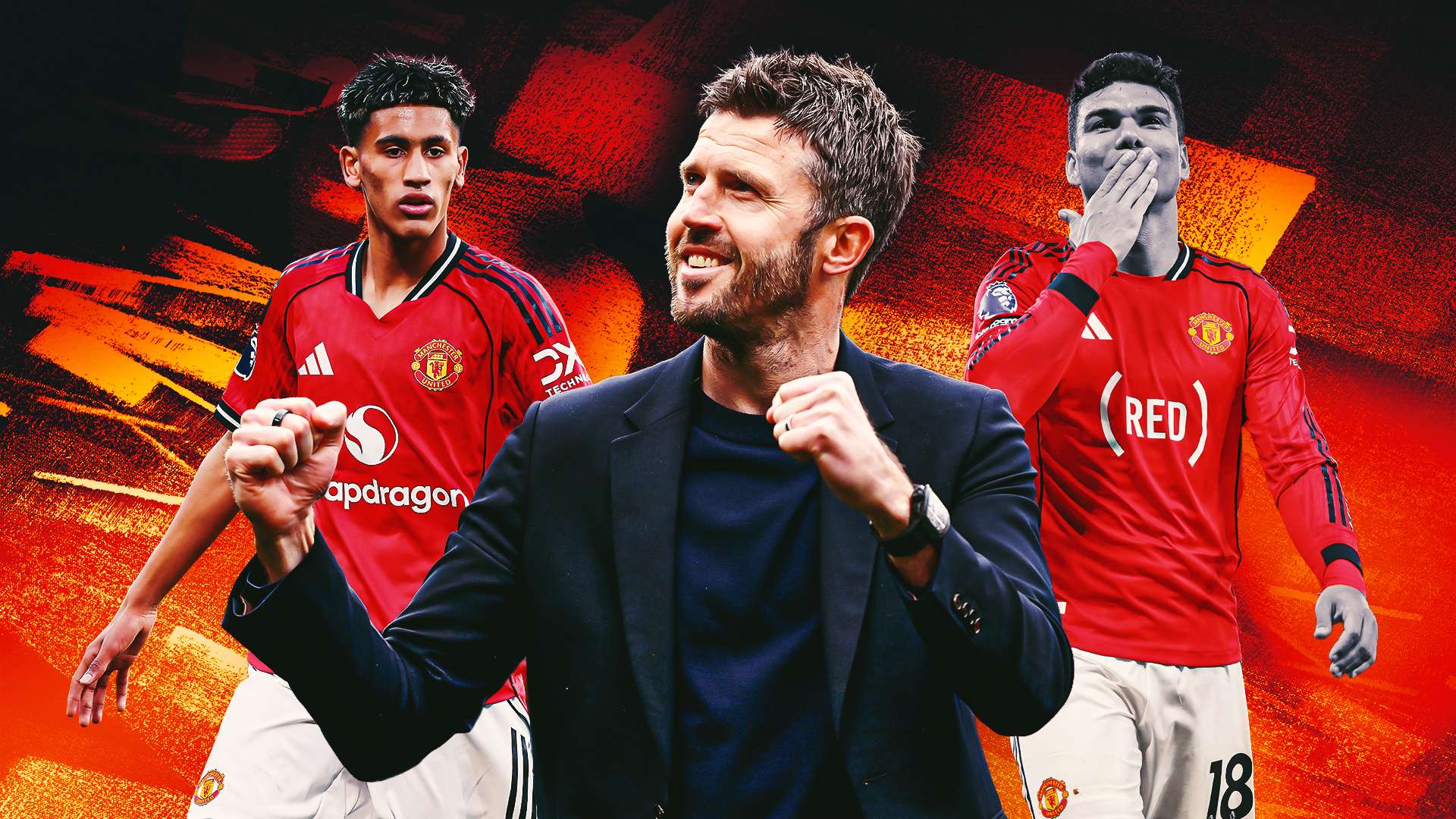
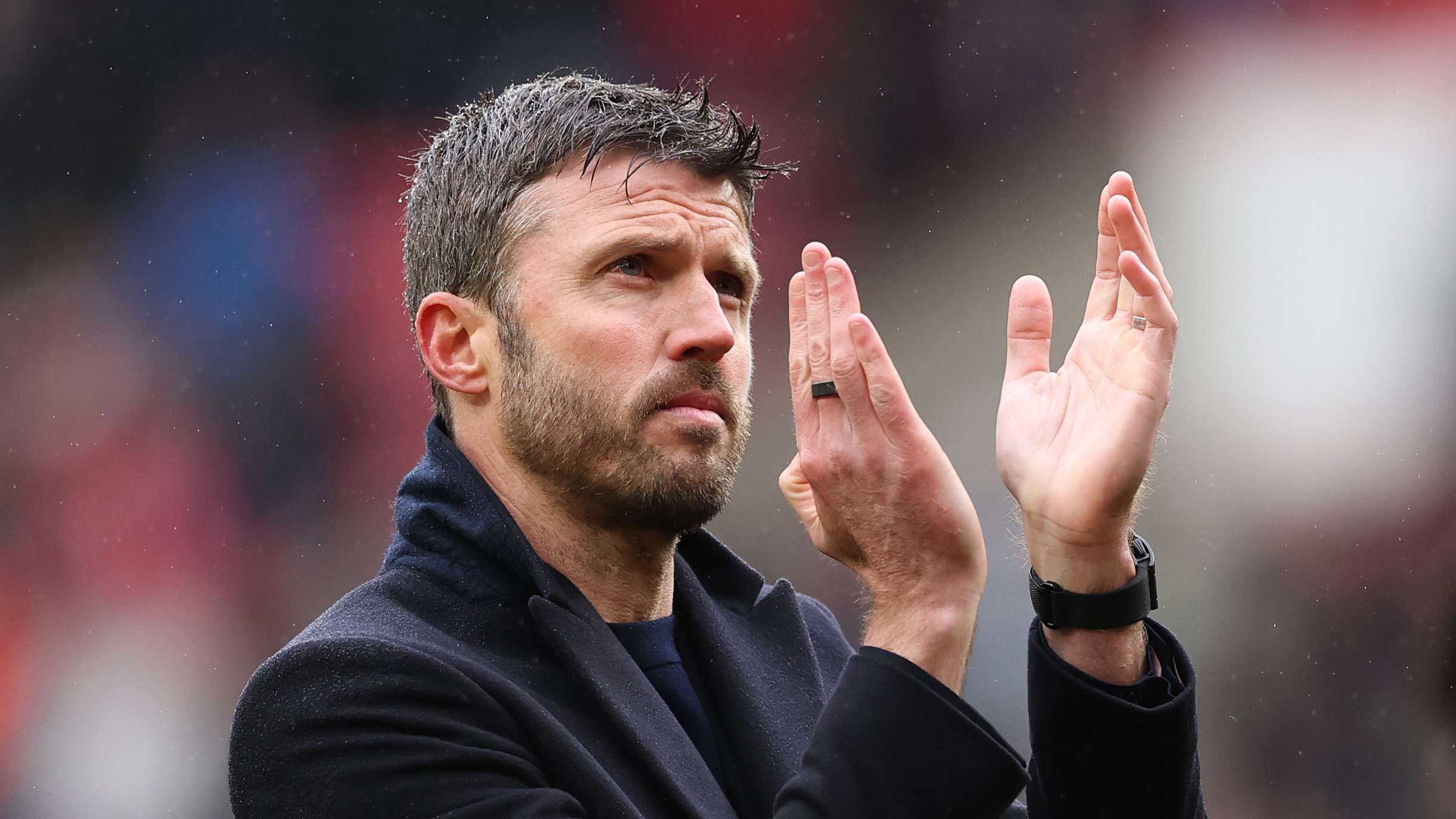
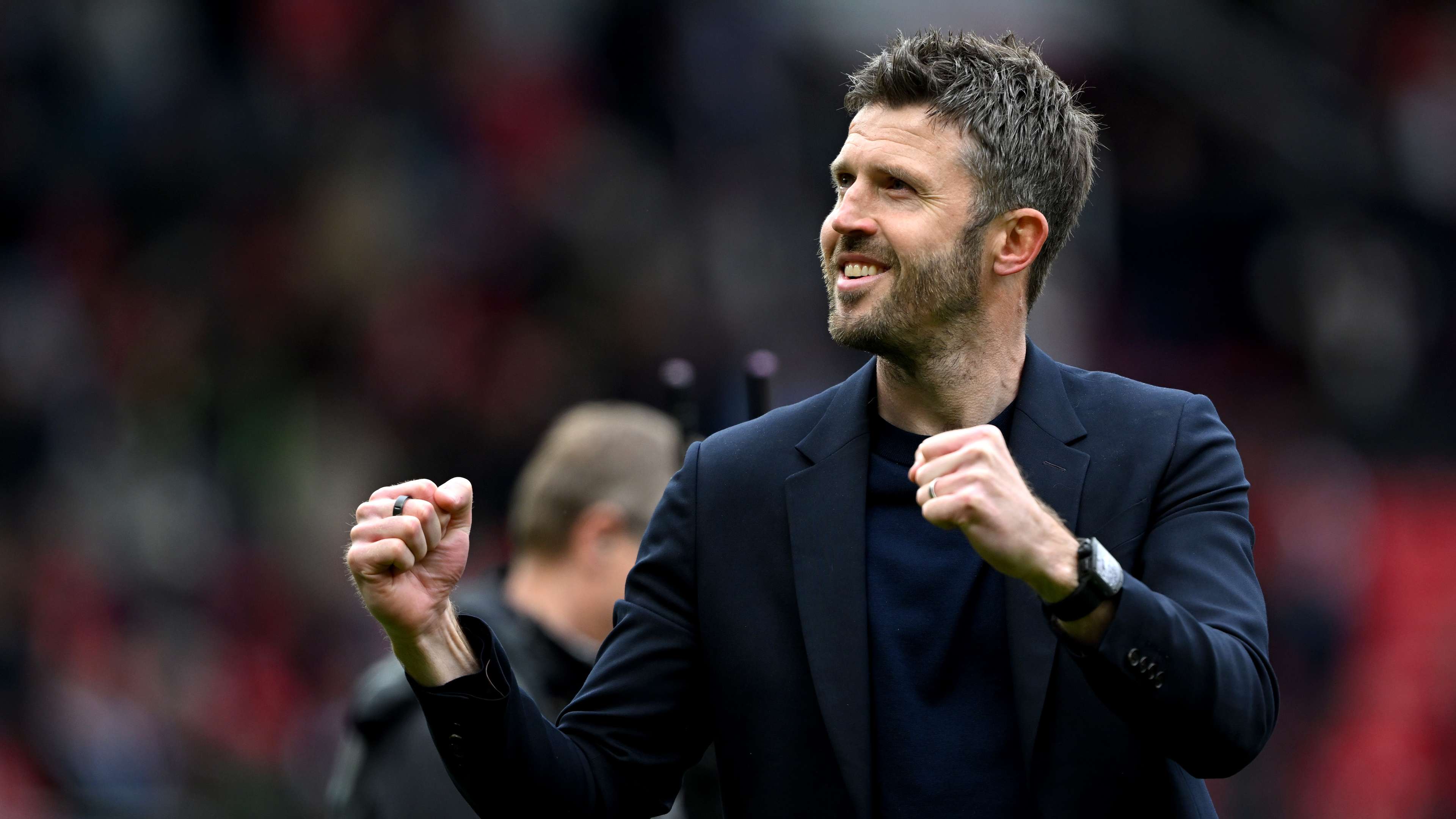
After three years away from continental football, United earned their place in the revamped 36-team league phase format largely thanks to Michael Carrick's steady work as interim manager. The club has now rewarded Carrick with the permanent position, and simultaneously strengthened their position for UEFA compliance. At 40 years old, Heaton was set to depart when his existing contract expired this summer, but the extension keeps the veteran stopper at Old Trafford for the 2026-27 campaign.
Meeting UEFA's Homegrown Requirements
The deal carries strategic importance beyond basic squad management. UEFA regulations require clubs competing in European competitions to register a minimum of four club-trained players in their squad. Heaton, who progressed through United's youth academy before returning in 2021 as back-up to David de Gea, qualifies as a homegrown player. This extension eases pressure on the club's quota compliance, where Kobbie Mainoo has been the only consistent academy graduate in matchday squads this season.
Departing midfielder Casemiro, whose contract will not be renewed, praised Heaton's impact in training environments. "He's very important for us because he pushed the training," Casemiro noted, acknowledging the 40-year-old's role beyond playing minutes. Since rejoining the club, Heaton has featured sparingly—just three appearances, with his last competitive outing over three years ago. Nevertheless, his presence provides goalkeeping security and administrative flexibility as United prepare for a demanding European schedule alongside domestic obligations.
The extension has been characterized as a shrewd move by INEOS executives, offering regulatory compliance at minimal cost while retaining a respected figure in the dressing room. United's next challenge involves balancing squad development with FFP constraints as they build toward sustained Champions League participation in the expanded tournament format.