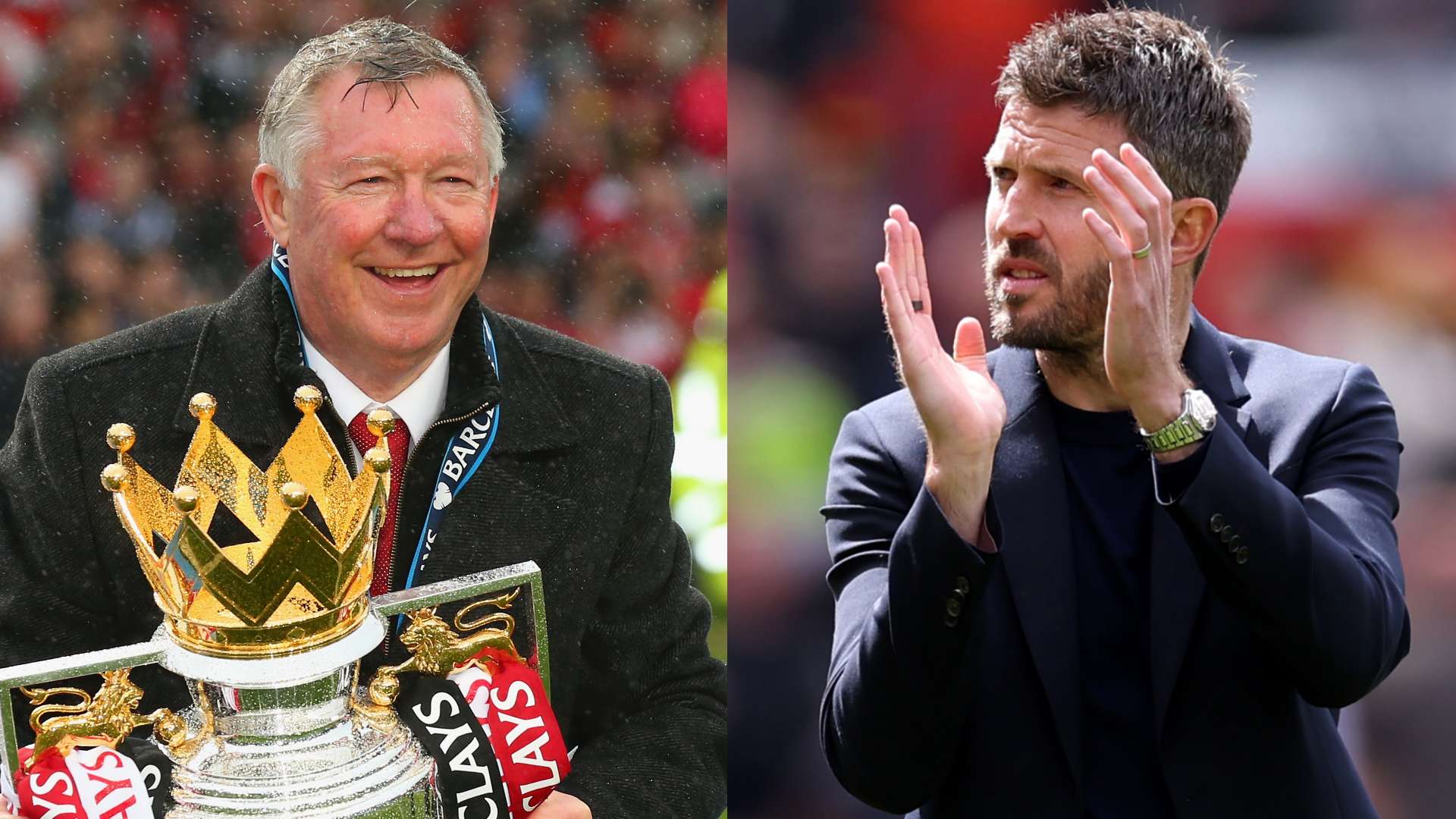
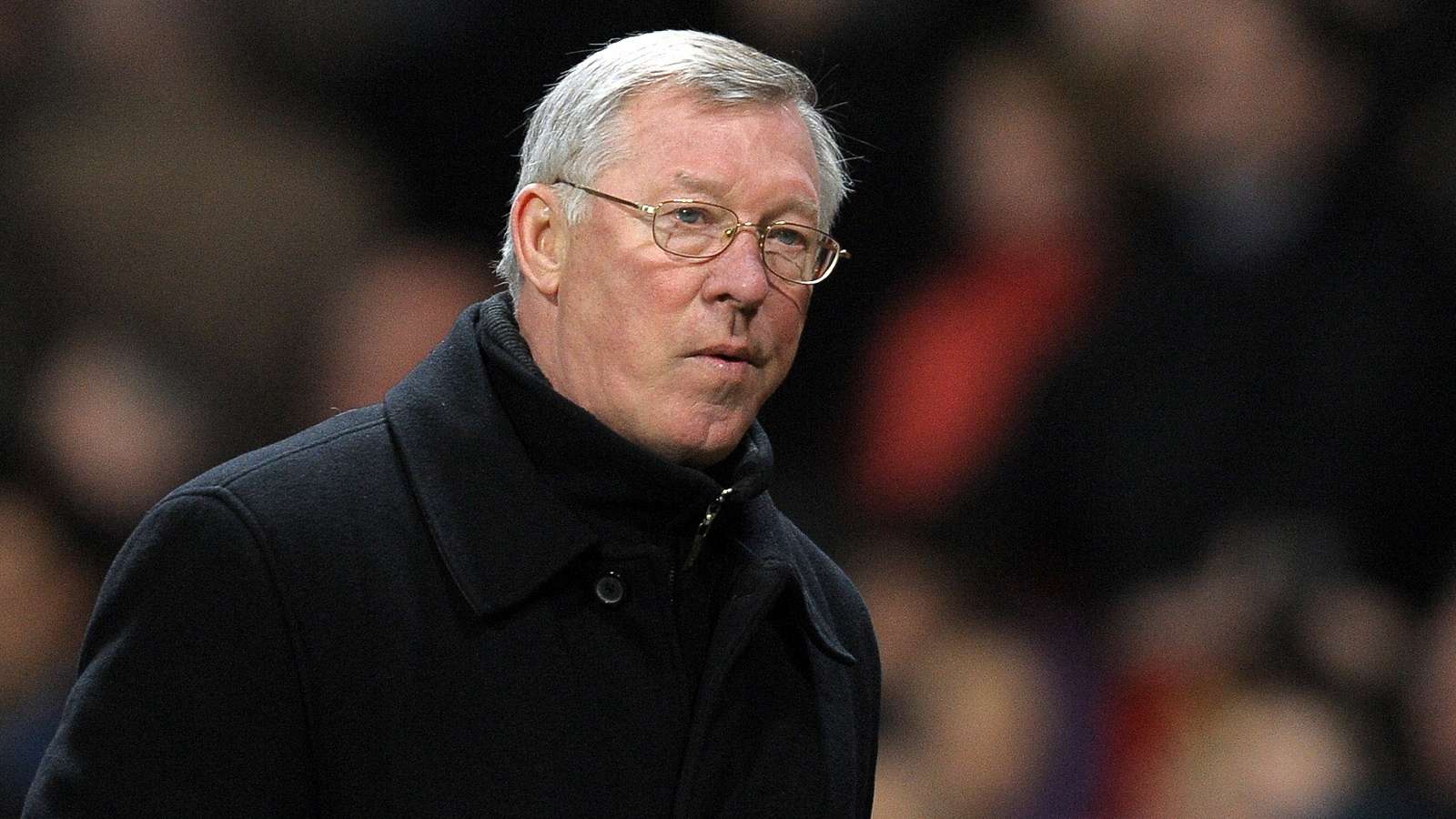
David O'Leary has revealed that Sir Alex Ferguson personally recommended him as a potential successor to manage Manchester United over two decades ago. The former Leeds United boss disclosed the stunning revelation during an appearance on The Overlap's Stick to Football podcast, confirming he was formally in contention for the Old Trafford position in the early 2000s.
When asked whether United had approached him, O'Leary confirmed his solicitor Michael Kennedy had fielded inquiries from the club. "Alex had recommended about three people or something like that," O'Leary explained. "One of the chosen ones, yeah." However, the opportunity never materialised after Ferguson famously reversed his decision to retire at the end of the 2001-02 season, remaining as manager for another 11 years until stepping down in 2013 with his 13th Premier League title secured.
Leeds Success Under the Spotlight
O'Leary's credentials at Leeds were formidable during the late 1990s and early 2000s. Having guided the Yorkshire club to the Champions League semi-finals, he stood out as one of the most promising young managers in English football. His European adventures with Leeds did not escape Ferguson's attention as the legendary Scot contemplated his future. The timing proved crucial—within months of missing the Manchester United opportunity, O'Leary was sacked by Leeds in 2002 as the club's financial troubles deepened following their impressive continental campaign.
O'Leary drew parallels to the current situation at Manchester United with interim manager Michael Carrick, who has impressed in temporary charge. Like O'Leary's own path at Leeds—initially serving as assistant to George Graham before becoming caretaker and eventually permanent manager—Carrick's trajectory mirrors that progression. However, O'Leary offered cautionary advice about the leap from interim to full-time responsibility at a club of United's magnitude. "When you get it officially and when you've got to play midweek games and make all these other decisions, it's a bigger thing," he warned. "Man United, they don't come much bigger than that."
O'Leary's insights carry weight from direct experience at elite level, underscoring how even the most capable managers face amplified pressure once the temporary designation ends. His missed connection with Ferguson's succession represents one of football's intriguing historical what-ifs in the Premier League's tactical evolution.