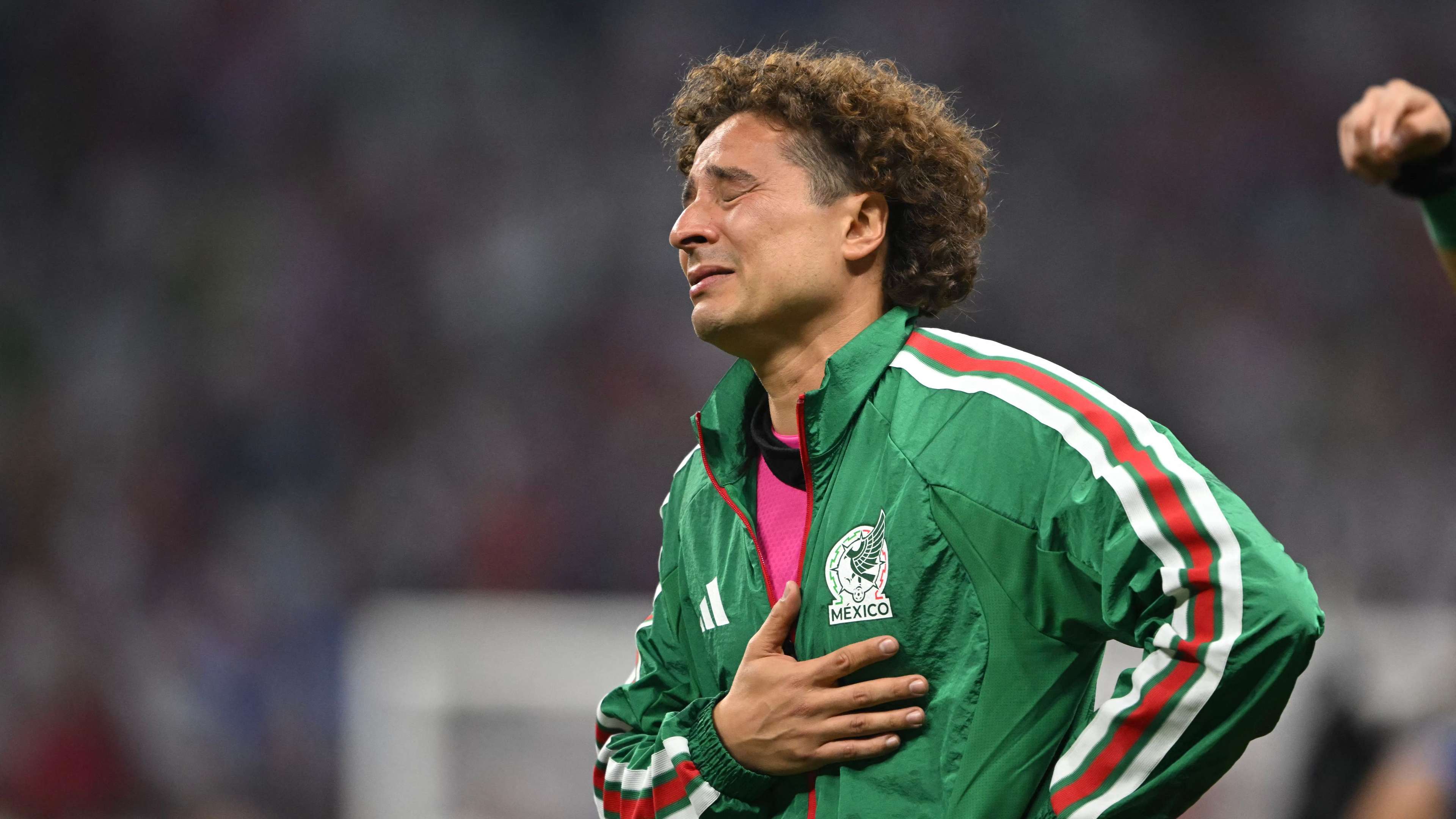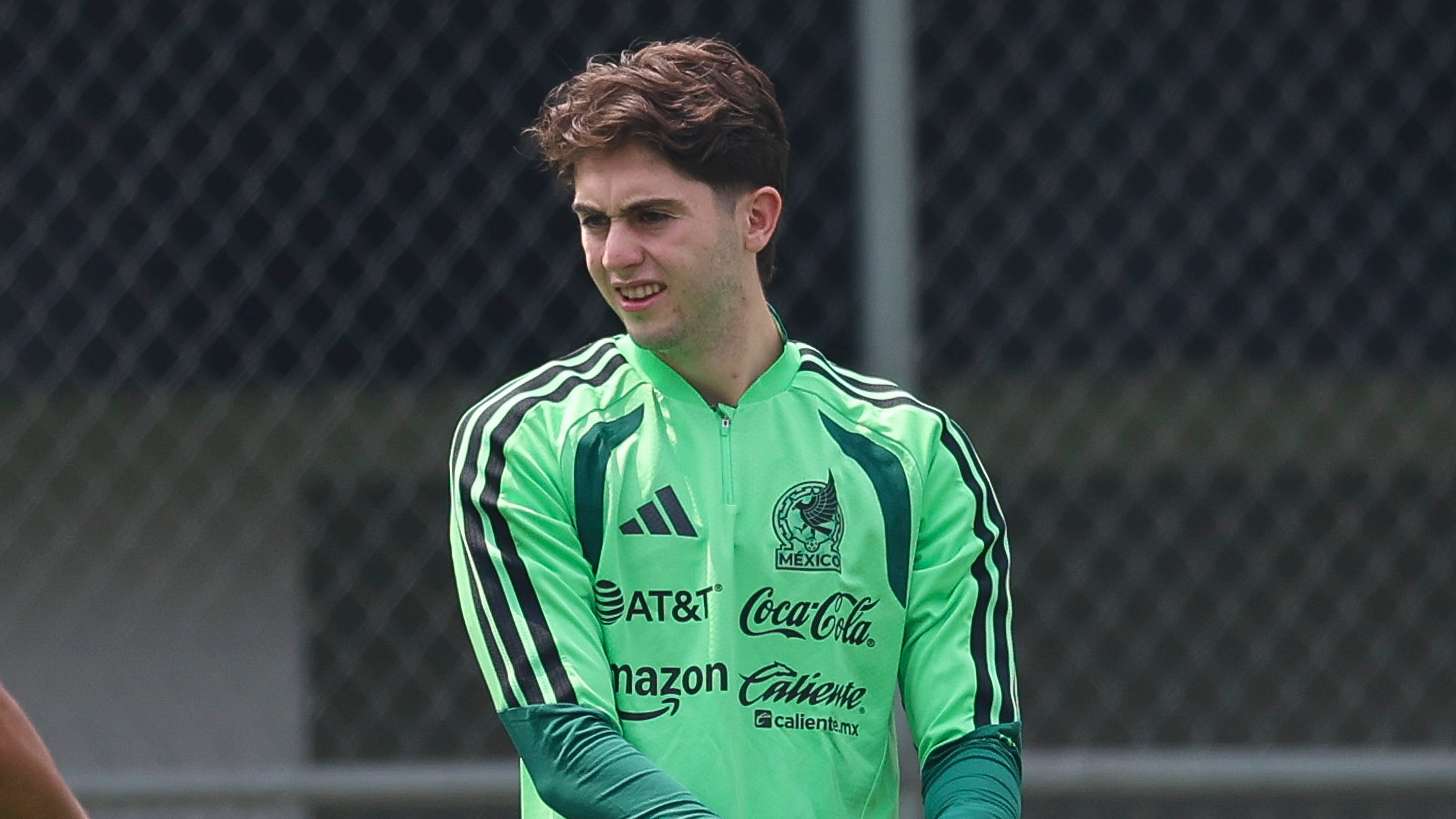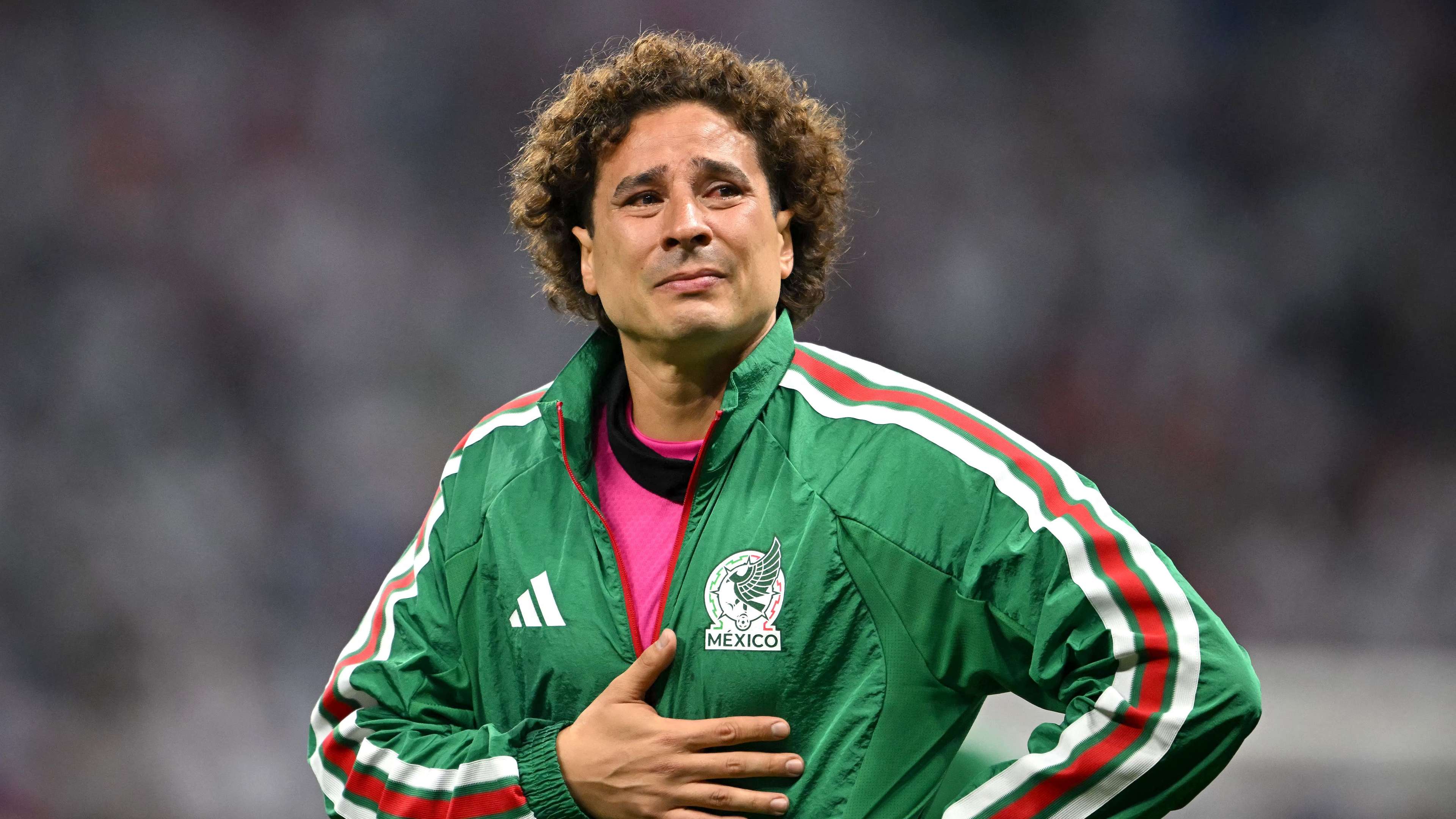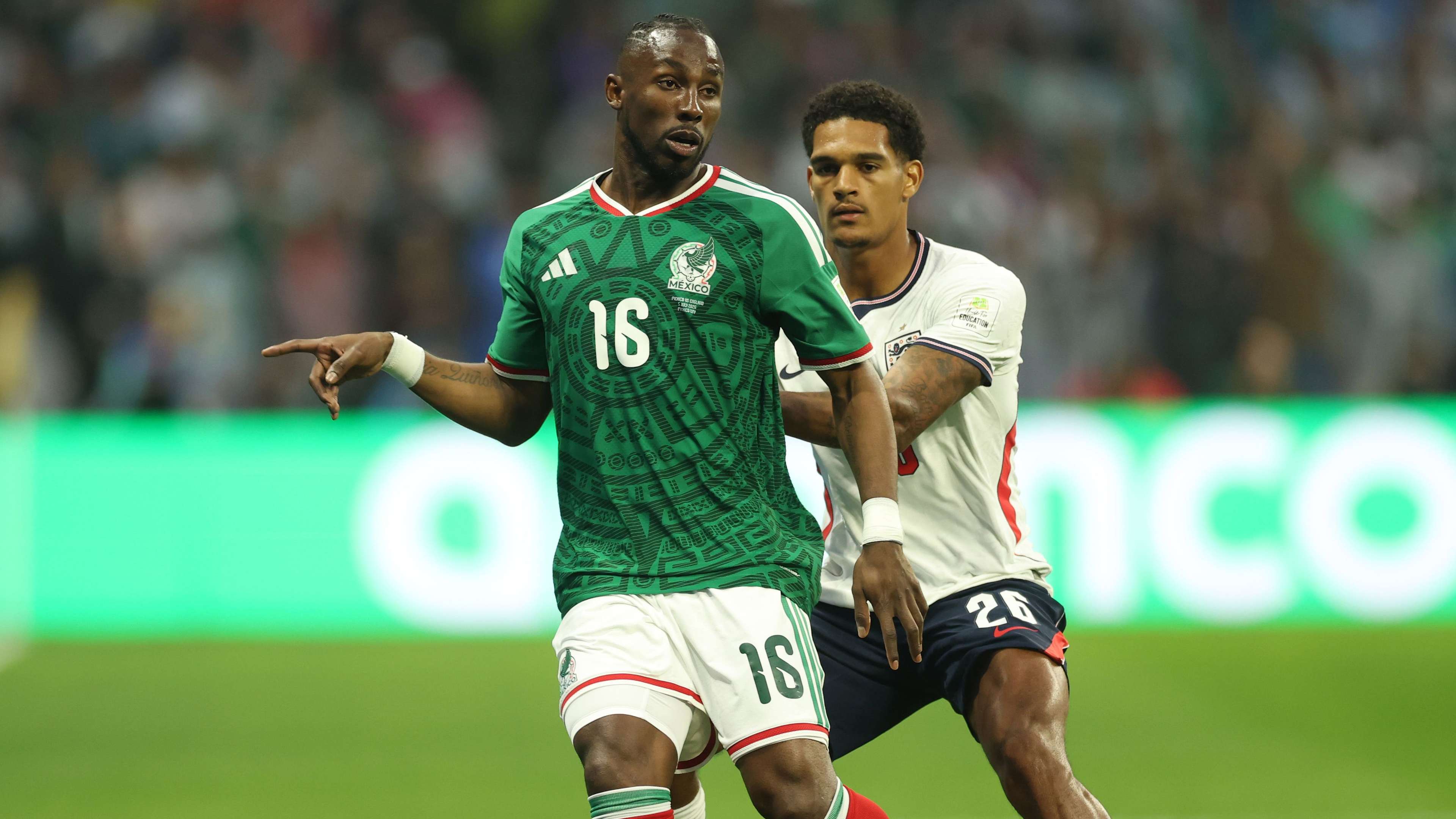
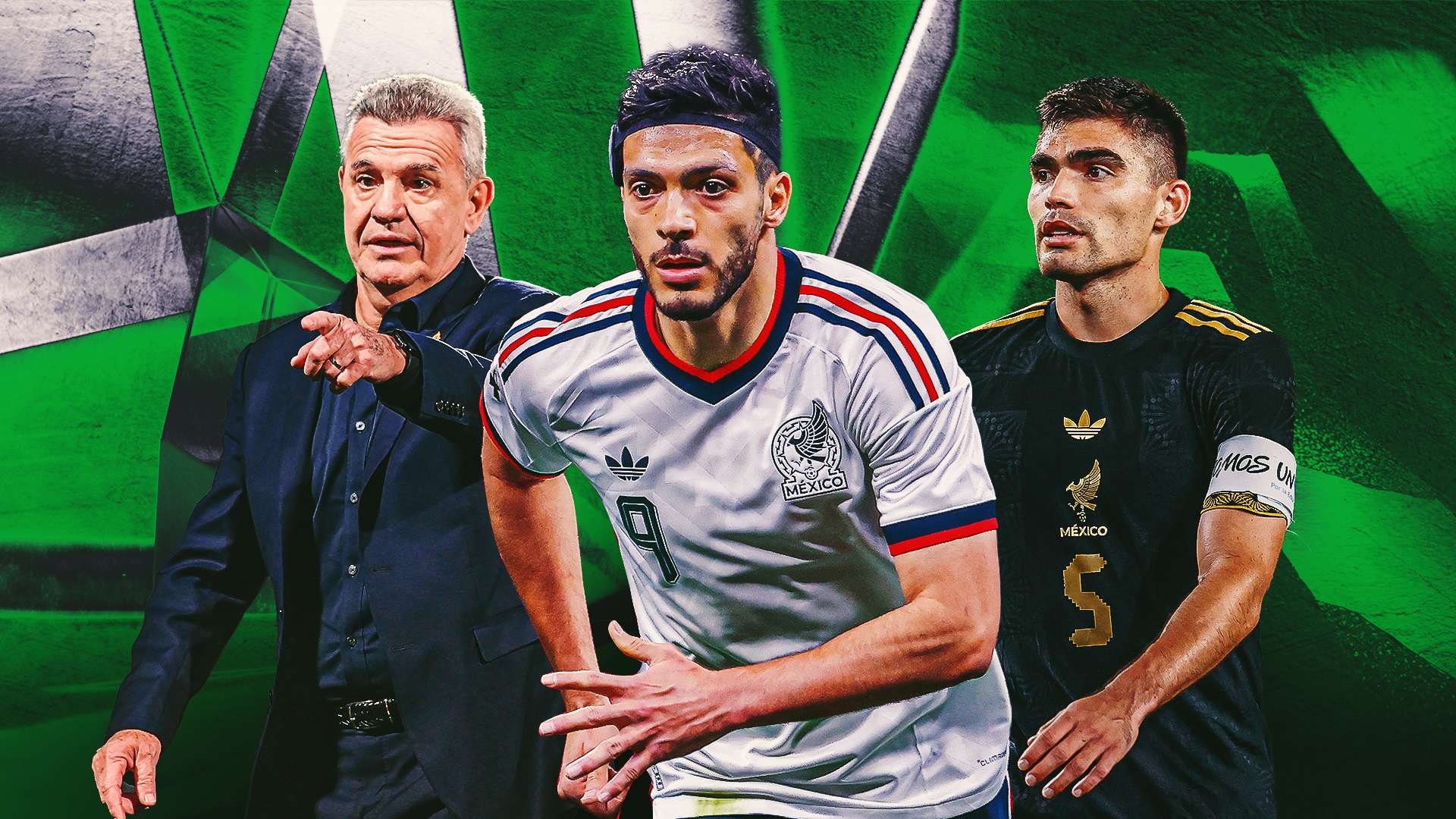
Guillermo Ochoa stands on the brink of an unprecedented milestone. If selected for Mexico's World Cup roster, the veteran goalkeeper would become only the second player ever to appear at six World Cups, cementing his legacy as one of football's most durable international performers. Manager Javier Aguirre now faces the delicate task of balancing Ochoa's historic pursuit with the demands of preparing El Tri for a tournament that demands both experience and rejuvenation.
Mexico's World Cup preparations officially commenced on May 6, when twenty Liga MX-based players reported to the Centro de Alto Rendimiento for a preliminary training camp. This marked the opening salvo in what promises to be a competitive squad selection process, with roughly half the final roster already secure and the remainder locked in genuine competition for spots. Twelve players from the domestic league appear certain to advance, while fourteen Europe-based athletes will complete the full complement. The tension surrounding participation became evident immediately—questions over CONCACAF Champions Cup availability forced Aguirre to publicly warn that any player refusing to attend camp risked elimination from consideration.
The Goalkeeper Question: Experience vs. Future
Raul Rangel has emerged as Mexico's primary goalkeeper after Aguirre entrusted him with starts against Portugal and Belgium in March. At 26 years old, Rangel represents both the immediate solution and the long-term face of Mexican football, capable of playing out from the back in ways modern international soccer demands. Yet Ochoa's presence complicates the narrative. His value transcends shot-stopping; few players understand the psychological weight of hosting a World Cup as intimately as Ochoa, whose experience steadies a locker room facing unprecedented pressure.
Carlos Acevedo occupies the third position largely through circumstance. Luis Ángel Malagón's serious Achilles injury reshuffled the depth chart, reopening Acevedo's pathway to selection after previous setbacks. This trio represents Mexico's goalkeeping solution—a blend of youthful potential, veteran poise, and tactical flexibility.
Defense: Building the Backbone
The defensive pairing of Johan Vázquez and César Montes has become increasingly central to Aguirre's tactical identity. Both natives of Sonora, these centre-backs complement each other naturally—Vázquez providing calm distribution and timing whilst Montes delivers physicality and leadership. Their partnership forms the emotional core of Mexico's defensive structure. Supporting them, Israel Reyes, Jesús Gallardo, Mateo Chávez, and Jorge Sánchez appear locked into selection, with Rodrigo Huescas, Richard Ledezma, and Everardo López contending for additional slots.
Mexico's defensive foundation balances youth development with proven consistency—critical when preparing for a home World Cup where defensive solidity often determines tournament longevity. The competition for wingback positions remains genuinely open, with international performers like Julián Araujo challenging Liga MX stalwarts for inclusion.
As Aguirre navigates this selection puzzle, the squad reflects Mexico's broader challenge: honouring their veterans' final opportunities whilst investing in the generation that must sustain competitiveness beyond 2026. The final roster will reveal how heavily Aguirre weights historical legacy against future ambition.