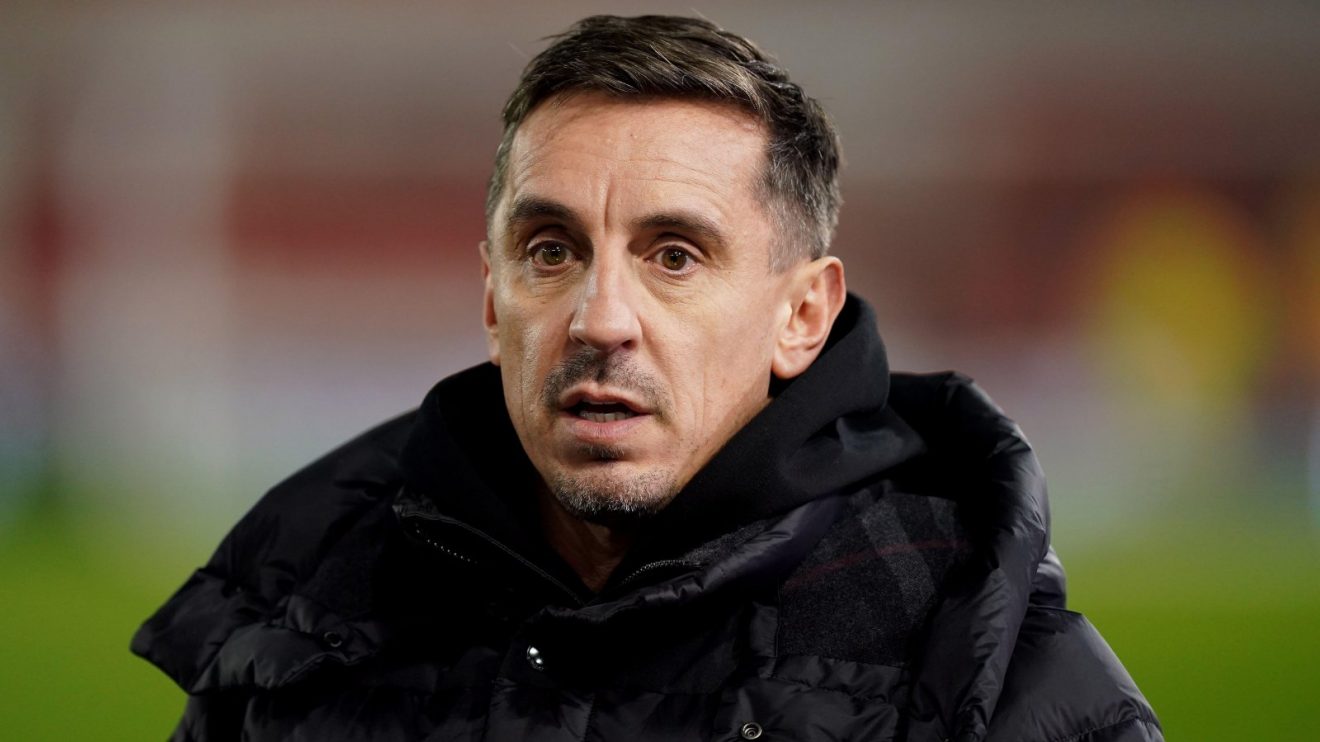
Ben White's season ended in nightmare circumstances at West Ham United on Sunday, but the debate surrounding his injury has exposed a deeper rift among football pundits. The Arsenal right-back suffered a significant medial ligament injury just 28 minutes into the match while tackling Crysencio Summerville, forcing him off the pitch and triggering a tactical reshuffle that ultimately proved successful. Yet rather than focus on the cruel nature of the injury itself, Gary Neville used his Sky Sports platform to question White's defending technique, suggesting the 28-year-old caused his own downfall through weak positioning and poor decision-making.
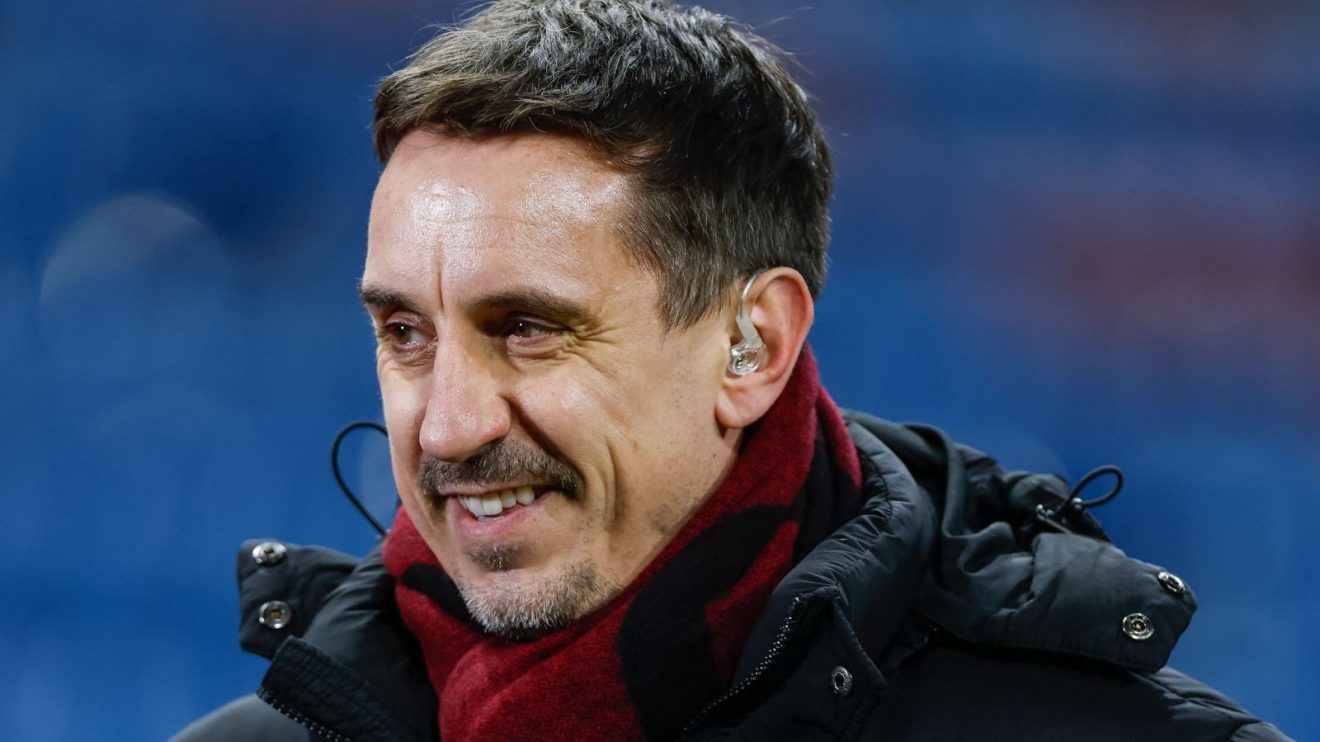
Neville's analysis centered on White's approach to the challenge, claiming the defender "hung his leg out in pretty weak fashion" and failed to go in "strong and with a real sturdy block." The Sky pundit argued that more robust tackling technique could have prevented the injury entirely. This assessment drew immediate pushback from Perry Groves, the former Arsenal winger who took to talkSPORT radio to defend his old club's player. Groves branded Neville's verdict as "lazy punditry," insisting that White engaged fully in a legitimate 50/50 challenge rather than shirking responsibility.
The Impact on Arsenal's Season
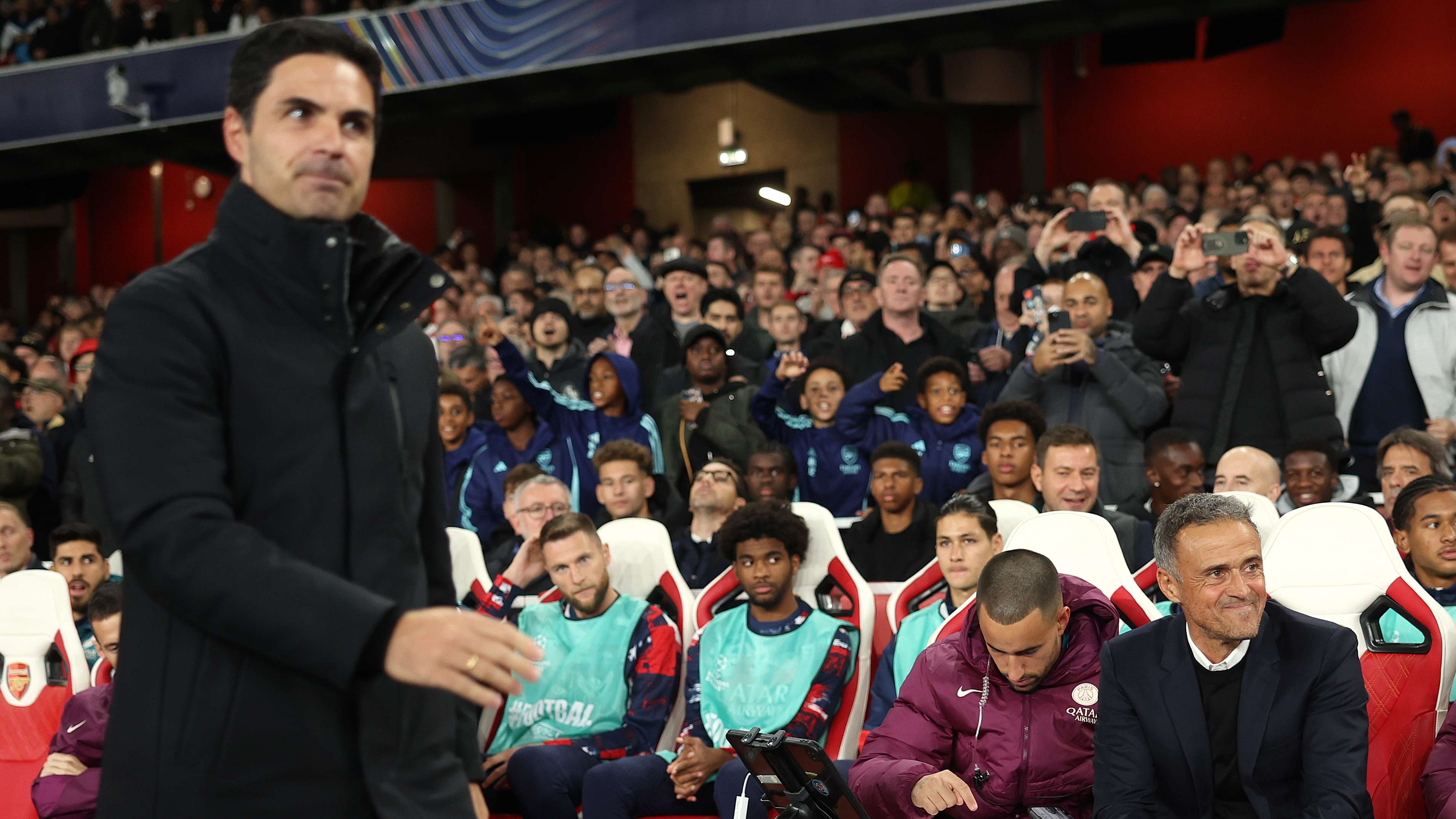
White's loss leaves Arsenal significantly weakened at right-back, with Jurrien Timber still sidelined by his own ankle injury. Declan Rice shifted into the position during Sunday's victory, a makeshift solution that worked temporarily but highlights the squad's defensive depth problems. More critically, White now faces months of rehabilitation and will miss Arsenal's Champions League final against Paris Saint-Germain, as well as forthcoming England fixtures. The midfielder had recently earned recall to the national team under Thomas Tuchel, making the injury timing particularly devastating for both club and country.
Arsenal's 1-0 win came courtesy of Leandro Trossard's 83rd-minute goal, which arrived amid one of VAR's most controversial decisions. Despite the three points, White's departure cast a shadow over the result. The broader context matters here: in elite football, injuries during competitive challenges are occupational hazards rather than evidence of individual culpability. Groves' criticism of Neville reflects a legitimate concern that televised punditry sometimes conflates tactical analysis with blame-shifting, particularly when analyzing moments involving injury.
The next few months will test Arsenal's ability to adapt at full-back and maintain their competitive challenge across multiple competitions. White's recovery timeline remains uncertain, but his absence signals the ruthlessness of the fixture schedule and the physical toll of modern elite football.