Bayern Munich secured a hard-fought 1-0 victory at VfL Wolfsburg on Saturday, maintaining their defensive discipline despite a testing performance from the struggling hosts. The Bavarian champions, who had already secured the Bundesliga title, showed remarkable composure in difficult circumstances following their Champions League elimination three days earlier.
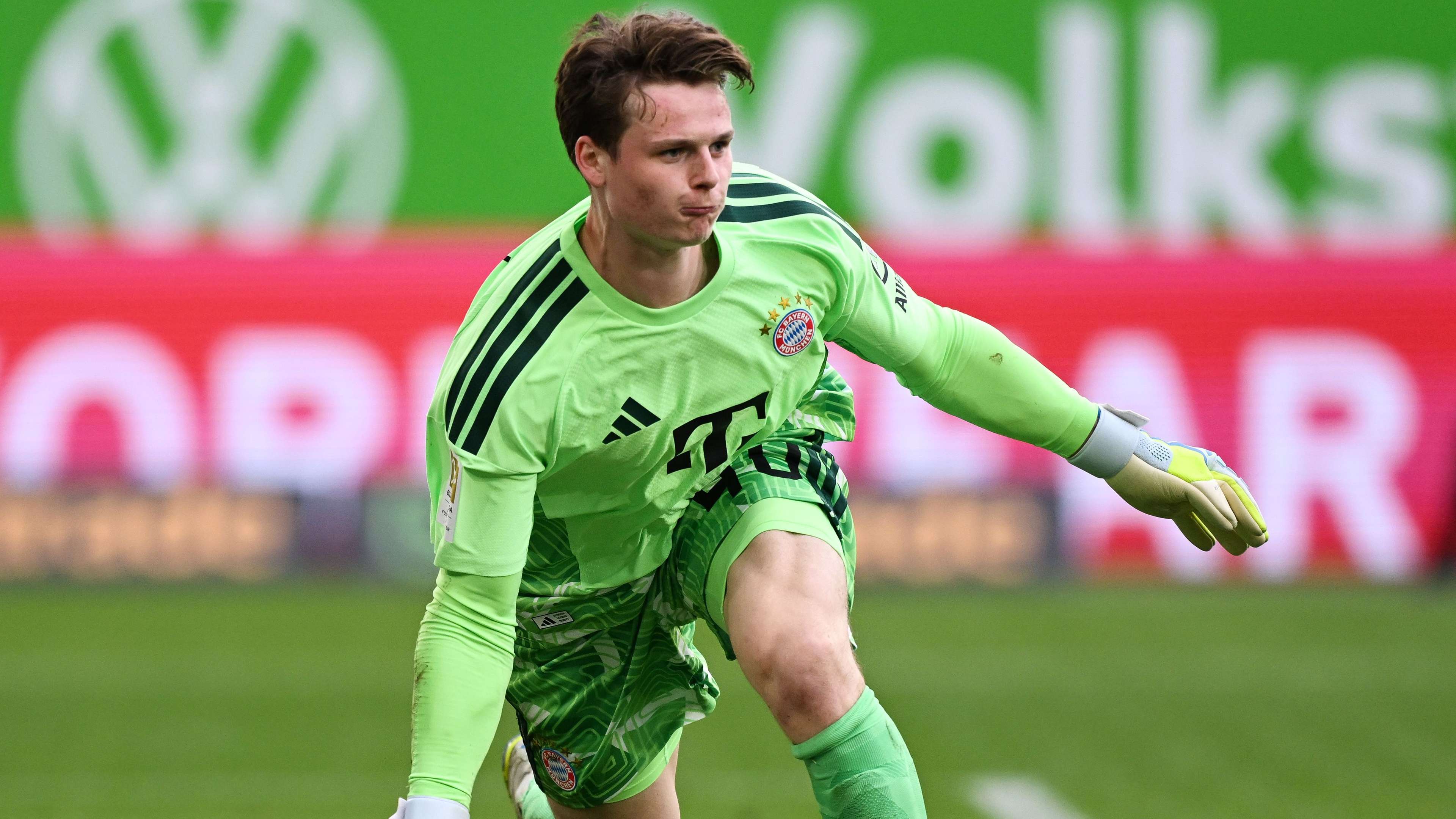
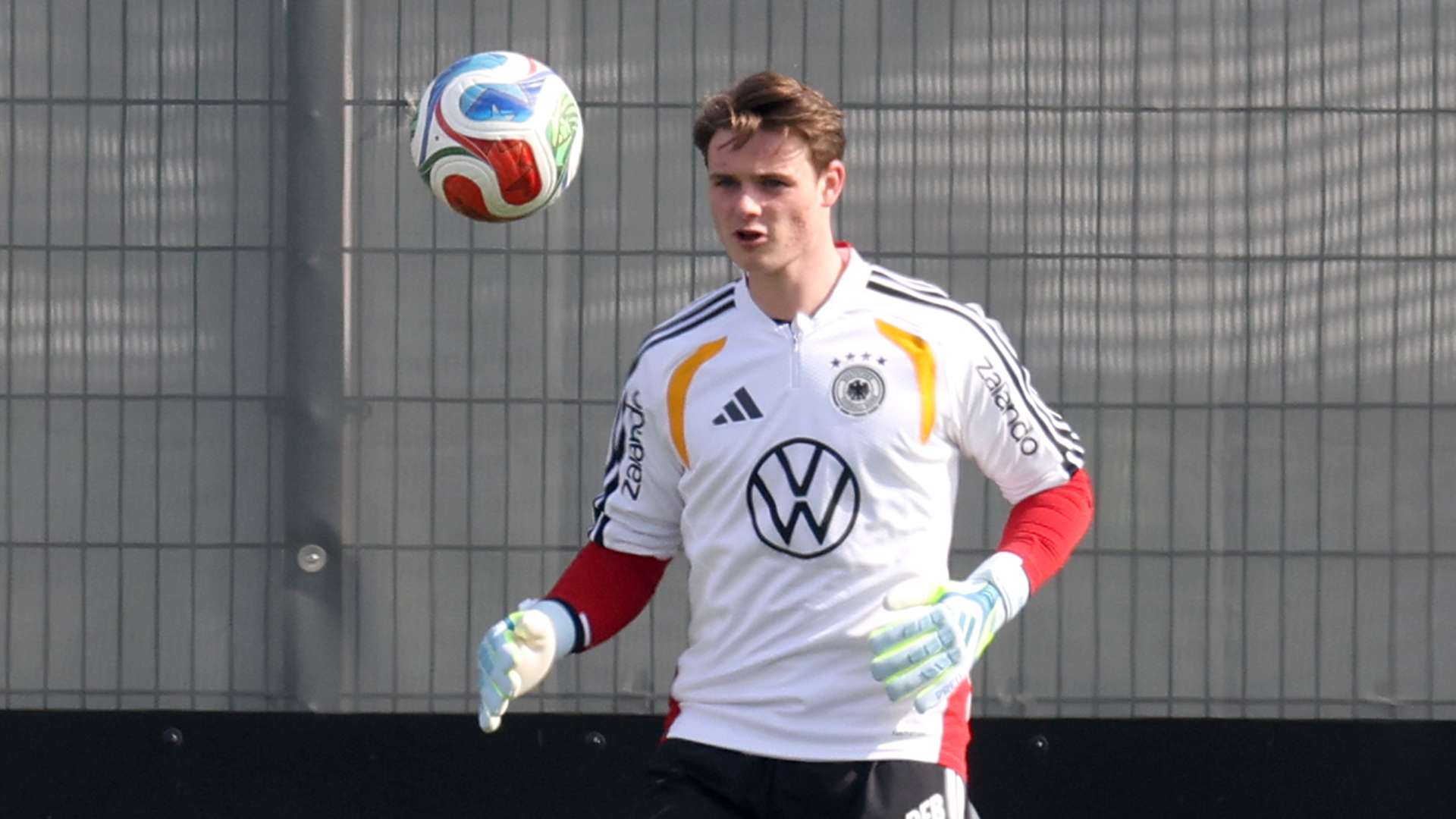
Goalkeeper Jonas Urbig proved instrumental in Bayern's shutout, making crucial saves during a first half in which Wolfsburg—currently fighting relegation in 16th place—created several clear-cut opportunities. The hosts pressed aggressively and exploited gaps in Bayern's defensive shape, yet failed to convert their chances into goals. Bayern improved markedly after the interval, controlling possession with greater precision and reducing Wolfsburg's threatening moments.
Kompany's Man-Management on Display
The most revealing insight into Vincent Kompany's managerial approach came in the post-match aftermath. Young midfielder Tom Bischof, returning from a four-week muscle injury, offered surprisingly candid criticism of Bayern's defensive setup in a televised interview. The 20-year-old suggested the team lacked intensity in their counter-pressing—the immediate pressure applied after losing possession—which he observed from the bench in recent weeks.
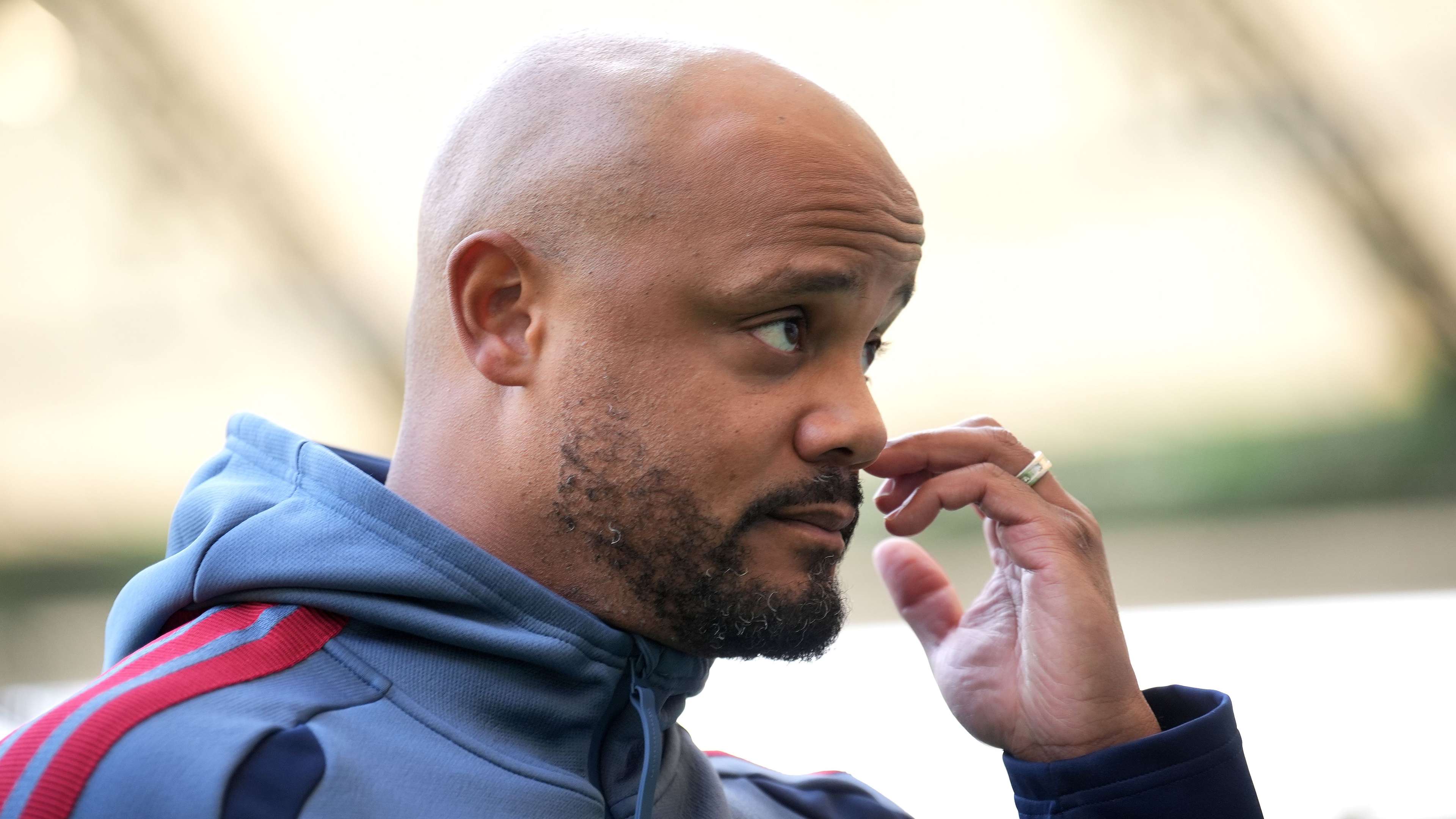
Rather than responding with irritation or public rebuke, Kompany demonstrated the interpersonal intelligence that distinguishes him from predecessors like Julian Nagelsmann and Thomas Tuchel. He grinned and calmly corrected Bischof's assessment without condescension. The Belgian coach explained that Bayern's problem wasn't unwillingness to press, but rather the need to vary their approach: "You can go into counter-pressing once, twice or three times, but at some point your legs start to feel it." He noted Bayern played significantly better in the second half by maintaining possession longer, reducing reliance on aggressive pressing triggers.
Possession-Based Control Proves Decisive
This tactical adjustment highlighted a deeper philosophy: Bayern's dominance came not from constant high-intensity pressing but from ball retention and measured attacking transitions. In the second half, the champions kept Wolfsburg at arm's length through superior passing accuracy and positional discipline, embodying a more sustainable approach than the frenetic pace required early on.
Kompany's ability to strike the right tone—firm yet measured, corrective rather than harsh—suggests a manager learning quickly in his first season at FC Bayern Munich. His next test comes as the club pursues redemption in the German Cup and prepares for the new campaign, aiming to reassert European dominance after their premature continental exit.