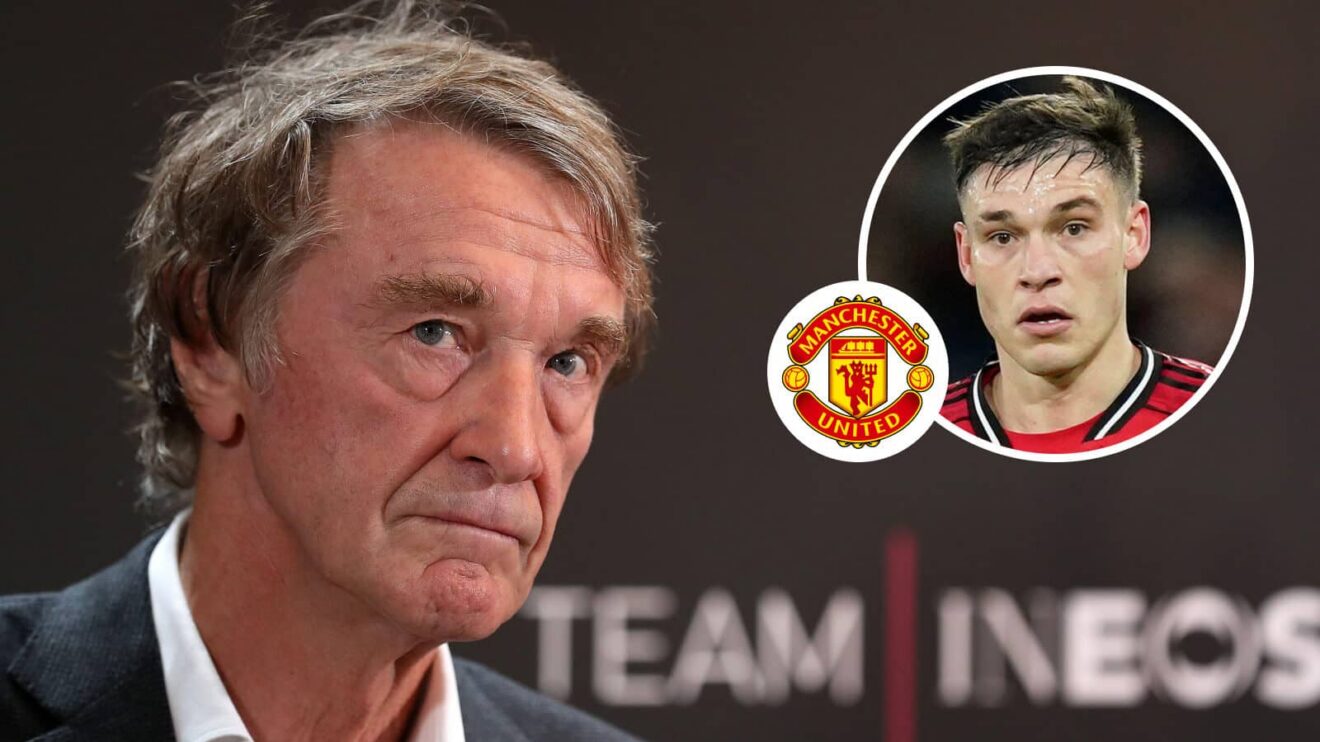

Sir Dave Brailsford has officially stepped down from Manchester United's board, Companies House has confirmed. The sports director, who joined Old Trafford as part of Sir Jim Ratcliffe's INEOS takeover in 2024, had gradually reduced his involvement in day-to-day operations at the club over recent months. His departure marks a shift back to his primary role overseeing INEOS's broader multi-sports portfolio.
Brailsford's tenure at United was always intended as a transitional period. When INEOS acquired its 27.7 percent stake in the Premier League club, the former UK Cycling director was brought in to help establish the group's sporting infrastructure. However, sources close to INEOS have indicated that his exit was part of the long-term strategy, allowing the organization to shift focus toward implementing its unified sports management approach across multiple franchises.
Garnacho Sale Vindicated
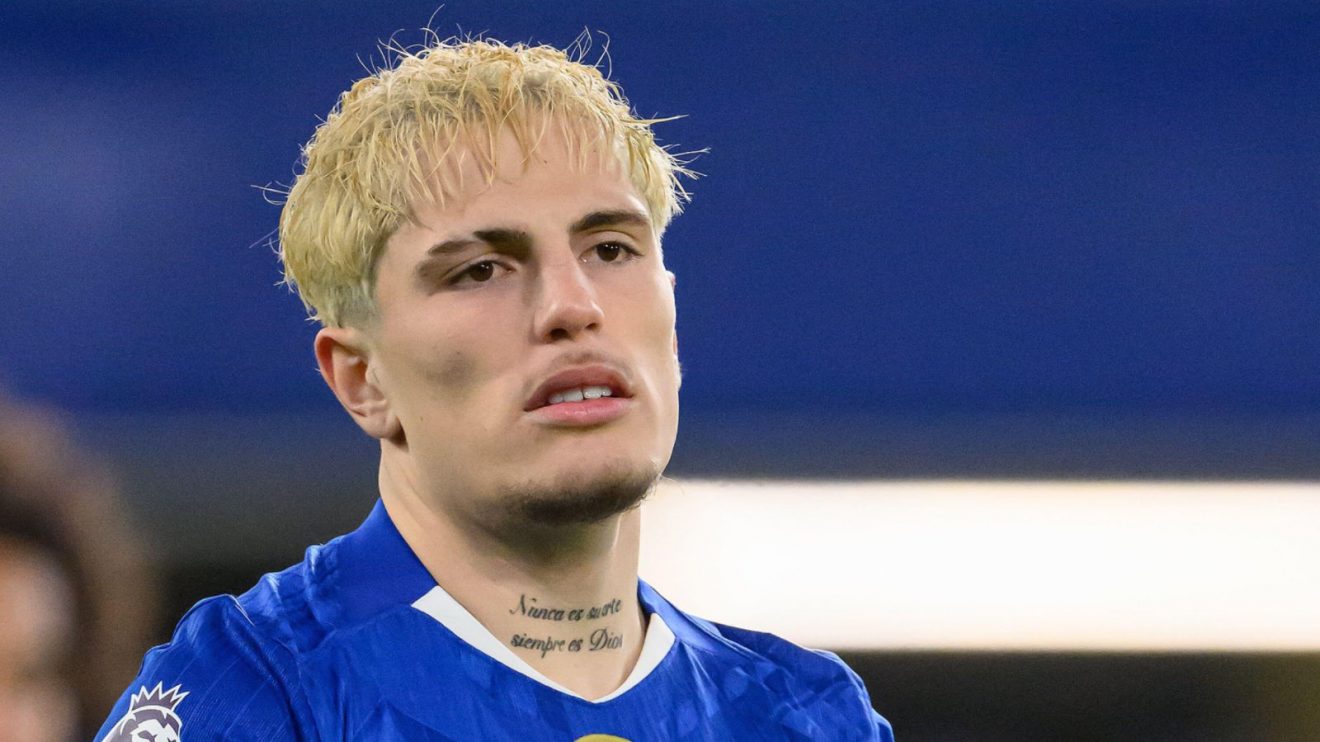
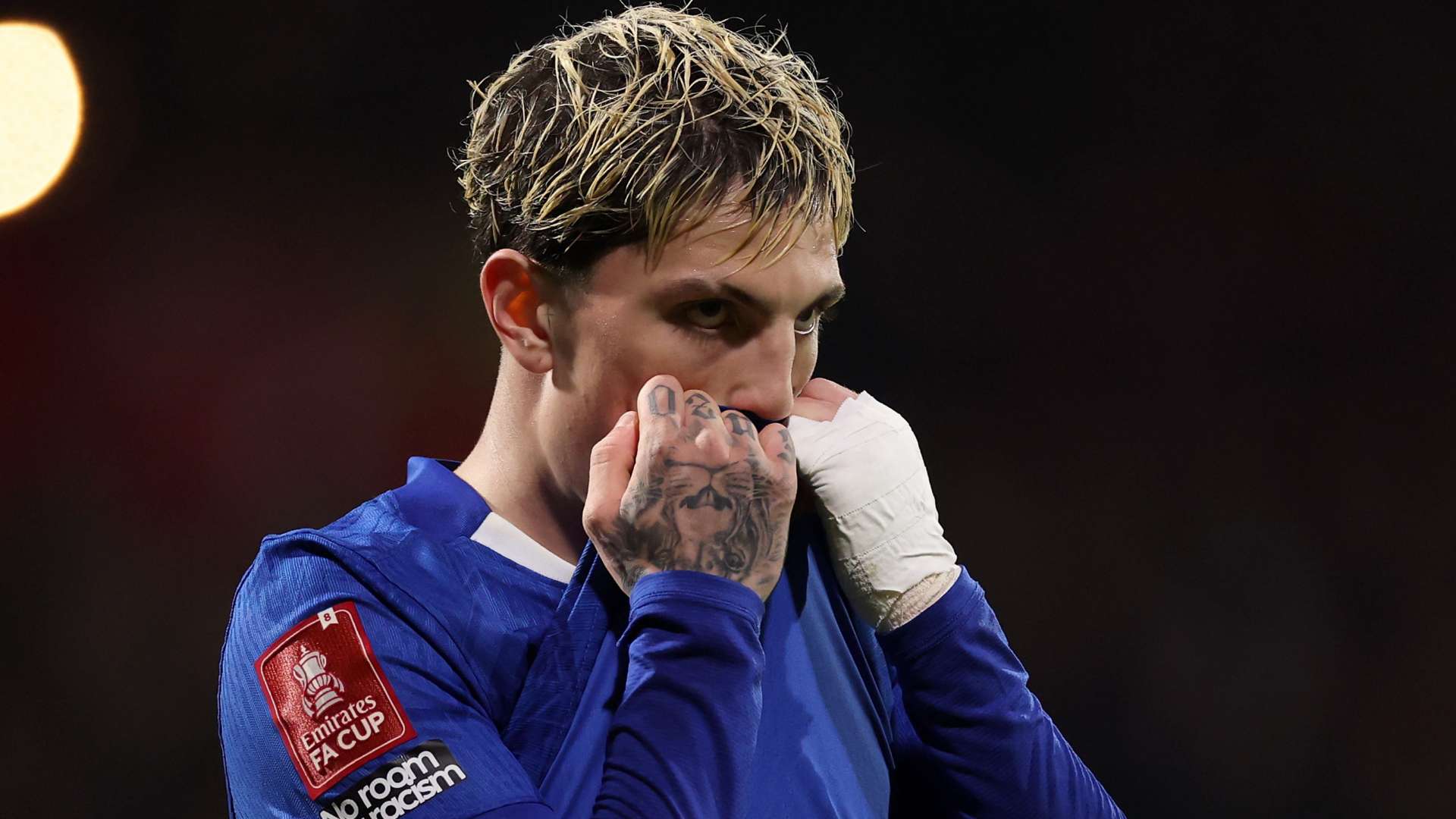
One significant transaction that took place during Brailsford's involvement was the £40 million sale of Alejandro Garnacho to Chelsea. The Argentine winger's departure raised eyebrows at the time, but former Man Utd chief scout Mick Brown has defended the deal in hindsight. "Man United are delighted with the deal for Garnacho," Brown told Football Insider. "When Chelsea came along offering to meet their asking price, they snapped their hand off because they wanted rid of him."
Garnacho's struggles at Stamford Bridge have only reinforced United's decision. The 20-year-old has managed just one goal and four assists across 23 Premier League appearances this term, leaving Chelsea contemplating whether to cut their losses on the winger. Brown's comments suggest United's recruitment team identified performance concerns that justified moving the player on, even as Chelsea's eager pursuit masked underlying issues with his consistency and output.
With Brailsford's departure, INEOS continues reshaping United's operational structure under its sporting philosophy, signalling that recruitment decisions will increasingly reflect the group's collective data-driven approach rather than relying on individual influential figures.